
|
1:1 大流士王第二年八月,耶和華的話臨到易多的孫子、比利家的兒子先知撒迦利亞,說: In the eighth month of the second year of Darius, the word of the LORD came to the prophet Zechariah son of Berekiah, the son of Iddo:
1:2 「耶和華曾向你們列祖大大發怒。 <<The LORD was very angry with your forefathers. 1:3 所以你要對以色列人說,萬軍之耶和華如此說:你們要轉向我,我就轉向你們。這是萬軍之耶和華說的。 Therefore tell the people: This is what the LORD Almighty says: <Return to me,> declares the LORD Almighty, <and I will return to you,> says the LORD Almighty. 1:4 不要效法你們列祖。從前的先知呼叫他們說,萬軍之耶和華如此說:『你們要回頭離開你們的惡道惡行。』他們卻不聽,也不順從我。這是耶和華說的。 Do not be like your forefathers, to whom the earlier prophets proclaimed: This is what the LORD Almighty says: <Turn from your evil ways and your evil practices.> But they would not listen or pay attention to me, declares the LORD. 1:5 你們的列祖在哪裏呢?那些先知能永遠存活嗎? Where are your forefathers now? And the prophets, do they live forever? 1:6 只是我的言語和律例,就是所吩咐我僕人眾先知的,豈不臨到你們列祖嗎?他們就回頭,說:『萬軍之耶和華定意按我們的行動作為向我們怎樣行,他已照樣行了。』」 But did not my words and my decrees, which I commanded my servants the prophets, overtake your forefathers? <<Then they repented and said, <The LORD Almighty has done to us what our ways and practices deserve, just as he determined to do.> >> 1:7 大流士第二年十一月,就是細罷特月二十四日,耶和華的話臨到易多的孫子、比利家的兒子先知撒迦利亞,說: On the twenty-fourth day of the eleventh month, the month of Shebat, in the second year of Darius, the word of the LORD came to the prophet Zechariah son of Berekiah, the son of Iddo. 1:8 「我夜間觀看,見一人騎著紅馬,站在窪地番石榴樹中間。在他身後又有紅馬、黃馬,和白馬。」 During the night I had a vision--and there before me was a man riding a red horse! He was standing among the myrtle trees in a ravine. Behind him were red, brown and white horses. 1:9 我對與我說話的天使說:「主啊,這是甚麼意思?」他說:「我要指示你這是甚麼意思。」 I asked, <<What are these, my lord?>> The angel who was talking with me answered, <<I will show you what they are.>> 1:10 那站在番石榴樹中間的人說:「這是奉耶和華差遣在遍地走來走去的。」 Then the man standing among the myrtle trees explained, <<They are the ones the LORD has sent to go throughout the earth.>> 1:11 那些騎馬的對站在番石榴樹中間耶和華的使者說:「我們已在遍地走來走去,見全地都安息平靜。」 And they reported to the angel of the LORD, who was standing among the myrtle trees, <<We have gone throughout the earth and found the whole world at rest and in peace.>> 1:12 於是,耶和華的使者說:「萬軍之耶和華啊,你惱恨耶路撒冷和猶大的城邑已經七十年,你不施憐憫要到幾時呢?」 Then the angel of the LORD said, <<LORD Almighty, how long will you withhold mercy from Jerusalem and from the towns of Judah, which you have been angry with these seventy years?>> 1:13 耶和華就用美善的安慰話回答那與我說話的天使。 So the LORD spoke kind and comforting words to the angel who talked with me. 1:14 與我說話的天使對我說:「你要宣告說,萬軍之耶和華如此說:我為耶路撒冷為錫安,心裏極其火熱。 Then the angel who was speaking to me said, <<Proclaim this word: This is what the LORD Almighty says: <I am very jealous for Jerusalem and Zion, 1:15 我甚惱怒那安逸的列國,因我從前稍微惱怒我民,他們就加害過分。 but I am very angry with the nations that feel secure. I was only a little angry, but they added to the calamity.> 1:16 所以耶和華如此說:現今我回到耶路撒冷,仍施憐憫,我的殿必重建在其中,準繩必拉在耶路撒冷之上。這是萬軍之耶和華說的。 <<Therefore, this is what the LORD says: <I will return to Jerusalem with mercy, and there my house will be rebuilt. And the measuring line will be stretched out over Jerusalem,> declares the LORD Almighty. 1:17 你要再宣告說,萬軍之耶和華如此說:我的城邑必再豐盛發達。耶和華必再安慰錫安,揀選耶路撒冷。」 <<Proclaim further: This is what the LORD Almighty says: <My towns will again overflow with prosperity, and the LORD will again comfort Zion and choose Jerusalem.> >> 1:18 我舉目觀看,見有四角。 Then I looked up--and there before me were four horns! 1:19 我就問與我說話的天使說:「這是甚麼意思?」他回答說:「這是打散猶大、以色列,和耶路撒冷的角。」 I asked the angel who was speaking to me, <<What are these?>> He answered me, <<These are the horns that scattered Judah, Israel and Jerusalem.>> 1:20 耶和華又指四個匠人給我看。 Then the LORD showed me four craftsmen. 1:21 我說:「他們來做甚麼呢?」他說:「這是打散猶大的角,使人不敢抬頭;但這些匠人來威嚇列國,打掉他們的角,就是舉起打散猶大地的角。」 I asked, <<What are these coming to do?>> He answered, <<These are the horns that scattered Judah so that no one could raise his head, but the craftsmen have come to terrify them and throw down these horns of the nations who lifted up their horns against the land of Judah to scatter its people.>> 本模組中文化由長島基督福音教會的Jack起始。多次經本人修改,2025年11月由AI協助更改加入朗讀功能,2026年加入搜尋「中、英」字皆可,顯示「黃底紅字」歡迎大家使用!! 荒漠甘泉五合一■ 中文荒漠甘泉(10月26日)
十月廿六日 「祂就獨自上山去禱告。到了晚上,只有祂一人在那裡。」馬太福音十四章23節 主耶穌在世為人的時候,常喜歡獨自與神親近。我們都知道與人交接是一件多麼費力的事情!主耶穌也知道,所以祂需要機會去恢復祂的能力。祂在世上為人,所以祂有人的疲乏。 主既如此,何況我們呢?我們豈不更需要單獨與父神親近麼?如果有甚麼人能例外—─不需要與神單獨親近—─的話,這人定規是主耶穌。如今主既不能一直工作,毫不安息,那麼,就沒有人能了。 但願每一個神的僕人看見這個功課的重要!但願神的教會知道怎樣訓練信徒奪取這無上的權利!但願每一個信徒都有時間單獨與神親近! ─慕安得烈 欒莫丁(Lamertine)在一本書上告訴我們:在他花園裡有一處極隱密的地方,他的母親每天必到那裡去安靜一小時;這地方是從來沒有人會進去打擾的。親愛的讀者!也許你要說:你沒有這樣安靜的地方。不要緊,主耶穌說,進入你的內屋!那裡我們必會聽見神祕的音樂。 信徒啊!你當學習單獨與主親近!經上記著說:「沒有人的時候,就把一切的道講給門徒聽。」(可四34)你不要希奇;你自己也可以這樣經歷的。如果你要明白,你只消把眾人散開。讓他們一個一個出去,直等到只剩下你和主… 這時候,你每一個思想會變成「神和我!神和我」神和你會非常接近─接近得好似在這無涯的宇宙中,除了祂的心和你的心在跳動以外,沒有別的東西了。哦!信徒啊!學習這個!學習退避群眾!學習內心的安靜!學習歌唱「神和我!神和我!」不讓任何一個人來介入你和天使的摔跤! ─馬得勝
■ 英文荒漠甘泉(10月26日)
October 26 "He went up into a mountain apart to pray: and when evening was come, he was there alone."(Matt. 14:23) THE man Christ Jesus felt the need of perfect solitude-- Himself alone, entirely by Himself, alone with Himself. We know how much intercourse with men draws us away from ourselves and exhausts our powers. The man Christ Jesus knew this, too, and felt the need of being by Himself again, of gathering all His powers, of realizing fully His high destiny, His human weakness, His entire dependence on the Father. How much more does the child of God need this--himself alone with spiritual realities, himself alone with God the Father. If ever there were one who could dispense with special seasons for solitude and fellowship, it was our Lord. But He could not do His work or maintain His fellowship in full power, without His quiet time. Would God that every servant of His understood and practiced this blessed art, and that the Church knew how to train its children into some sense of this high and holy privilege, that every believer may and must have his time when he is indeed himself alone with God. Oh, the thought to have God all alone to myself, and to know that God has me all alone to Himself! -Andrew Murray. Lamertine speaks in one of his books of a secluded walk in his garden where his mother always spent a certain hour of the day, upon which nobody ever dreamed for a moment of intruding. It was the holy garden of the Lord to her. Poor souls that have no such Beulah land! Seek thy private chamber, Jesus says. It is in the solitude that we catch the mystic notes that issue from the soul of things. A MEDITATION My soul, practice being alone with Christ! It is written that when they were alone He expounded all things to His disciples. Do not wonder at the saying; it is true to thine experience. If thou wouldst understand thyself send the multiude away. Let them go out one by one till thou art left alone with Jesus....Has thou ever pictured thyself the one remaining creature in the earth, the one remaining creature in all the starry worlds? In such a universe thine every thought would be "God and I! God and I!" And yet He is as near to thee as that--as near as if in the boundless spaces there throbbed no heart but His and thine. Practice that solitude, O my soul! Practice the expulsion of the crowd! Practice the stillness of thine own heart! Practice the solemn refrain "God and I! God and I!" Let none interpose between thee and thy wrestling angel! Thou shalt be both condemned and pardoned when thou shalt meet Jesus alone! -George Matheson.
■ 永活之泉(10月26日)
十月廿六日 真信仰 你現在應該知道真宗教信仰的來源和本質,以及內在的運行、功效、榮耀、生命和完全,這只有在新的生命和愛心內顯出來,而且是我們內在心靈的更新。這完全是屬靈宗教信仰的本質,它以能力、生命和聖父、聖子和聖靈三一真神的靈在墮落的人裏面,從事更新和除惡的工作,除此以外一無所有。宗教本身若無屬靈的事奉,則敬拜神也無目的,不能除惡行善,其原因就是沒有屬靈的生命在他裏面,而一旦有三一神的靈啟示並內住在心靈中,那一切敬拜、事奉都順應信心去做。 將你的心靈緊緊保守這種信仰,觀察其一切在你裏面所運行的;你的心靈若不常保持屬天的聖潔,就無法找到良善和安慰。你裏面有多少此種觀念,就有多少救恩,救恩除了勝過天然別無老舊的脾氣,神進入你裏面活著,並向你啟示,祂是你的亮光、生命和靈,你當以新造的心靈和誠實敬拜祂。 「所有的經文帶給我的結論是,我們宗教信仰和事奉應儘量捨己,讓神的靈在我們裏面運行、激勵和聖化;其目的在我們行為上有真正的基督成形,像聖靈藉聖潔的童女馬利亞生出基督一樣。」 有多少人思想過他應有的真宗教信仰生活?聖靈要親自像我們心靈的亮光和生命活著而運行在我們裏面,除此別無所有。我們將這些有關神的思想存記在心內,我們就會不斷的依靠祂、不斷接受聖靈的感動,在心裏有基督生命的形成;這使我們因祂的同在而有不止息的敬拜、禱告和事奉。
■ 中文屬天日子(10月26日)
十月廿六日 宣教師是個甚麼人? 「父怎樣差遣了我,我也照樣差遣你們。」約翰福音十章21節 一個宣教師是被耶穌基督差遣的,正如祂被神差遣一樣。唯一的條件,不是人的需要,卻是耶穌的命令。我們替神作工的興奮的淵源,是在後面。現代的傾向是將興奮放在前面,不顧一切,使興奮專業成功的概念上。在新約裡,是把興奮置在後面,仰望耶穌,忠心祂所成功的偉業。 私人與主耶穌的聯絡,和祂的意見一致,是絕不可忽視的事。宣教師的最大危險,是在神的選召被人的需要消滅了,直到人的同情絕對壓倒了耶穌差遣的意義。需要這麼多,情形這麼複雜,吾人心力終有迷糊沮喪之日。我們遺忘了宣教事業的最大因由,不是提高人民,不是教育人民,也不是解決他們的需要;乃是實行耶穌基督的命令──「所以你們要去,使萬民作我的門徒。」 我們細究神兒女的生活,大概會這樣讚美著說:「他們是多麼聰明智慧明哲啊!他們怎麼能完全瞭解神所要的啊!」殊不知聰慧明哲的後面,有神的智慧在,全然不是人的智慧。我們歸功於人的智慧的時候,正是我們應當歸功那指導沒有知識的人的神,和祂超然的配備。
■ 中文上海嗎哪(10月26日)
十月廿六日 「……你出去到路上和籬笆那裡,勉強人進來,坐滿我的屋子。」路加福音十四章23節 在路加福音十四章這個酒席的比喻中,有一個主人為他的朋友、鄰人預備了一桌酒席。這個故事清楚地描述現今的人對基督教教義反應的態度。 從這個故事中,我們能瞭解為什麼在基督教興旺的國家中的人,能找到越來越多的藉口,以致對福音充耳不聞。即使在美國,要使未得救的人對福音有興趣,也變得難上加難。尤其是那些聽多了福音的人,他們多能找到藉口不參加宴席。所以神祇好放棄他們。 但是就像在這比喻中,有些殘疾、瞎眼的,甚至在路上的人卻嘗到主人的筵席。以致現今的教會出現兩種顯著的現象,一是把福音傳給貧民和被忽視的人們,二則是把福音傳到國外。願我們能牢記這個比喻,邀請那些不找藉口的人同享福音的好處。
:::
會員登入線上使用者今日推薦台語聖經朗讀和合本 | Taiwanese Bible Reading Audio◎最新上傳進度◎🔥🙏📖牧師推薦好章最熱門聖經「章」朗讀最熱門單一「節」瀏覽數今日推薦台語聖經朗讀和合本 | Taiwanese Bible Reading Audio台語聖經朗讀和合本 | Taiwanese Bible Reading Audio提供免費台語聖經朗讀,包含國語與台語對照。 📖 創世記 1-50 / 50 📖 詩篇 1-23 / 150 📖 馬太福音 1-28 / 28 📖 加拉太書 1-6 / 6 📖 以弗所書 1-6 / 6 📖 腓立比書 1-4 / 4 📖 帖撒羅尼迦前書 1-5 / 5 📖 帖撒羅尼迦後書 1-3 / 3 📖 腓利門書 1-1 / 1 📖 雅各書 1-5 / 5 📖 猶大書 1-1 / 1
台語羅馬字典台語聖經朗讀和合本|Taiwanese Bible Reading Audio最新上傳計數器
隨機小語人生的痛苦:勞累是「想的太多」;困擾是「計較太多」;煩擾是「在乎太多」;無奈是「放不下太多」;煎熬是「執念太深」。1.堅持走自己的路,讓別人去說吧!2.再善良也不要委曲自己(原則不要過頭,要懂的拒絕).3.珍情當下,珍惜眼前人。2019.11.13筆
黃哲輝牧師 雷達回波圖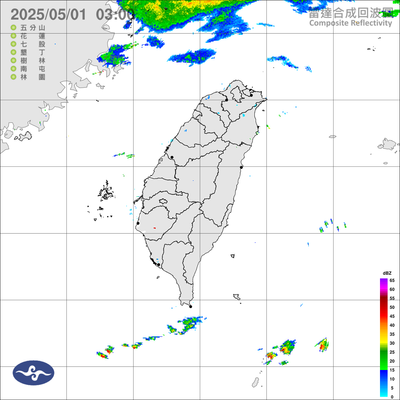
衛星雲圖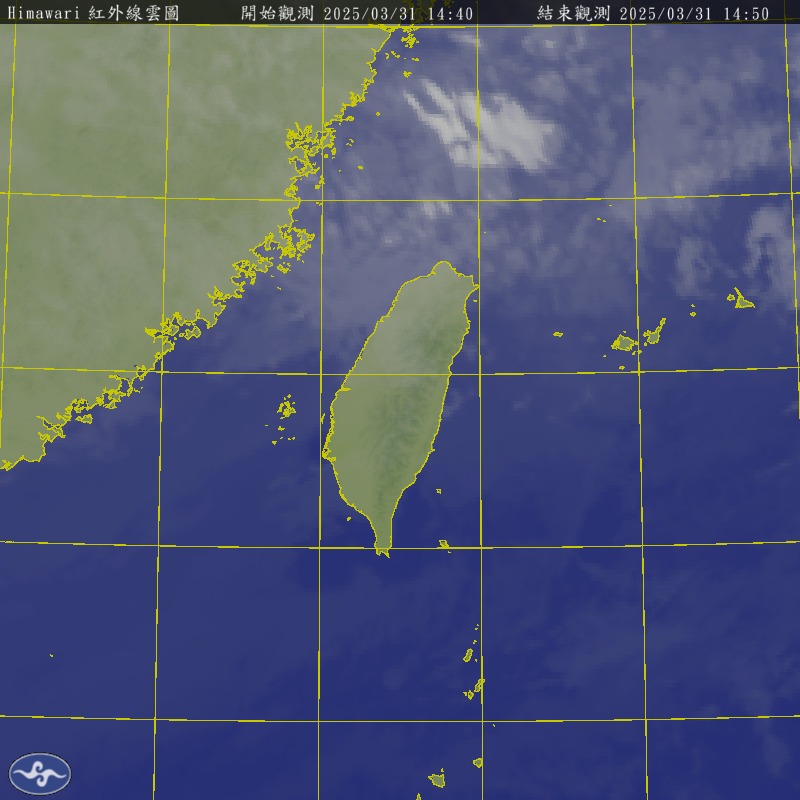
溫度分布圖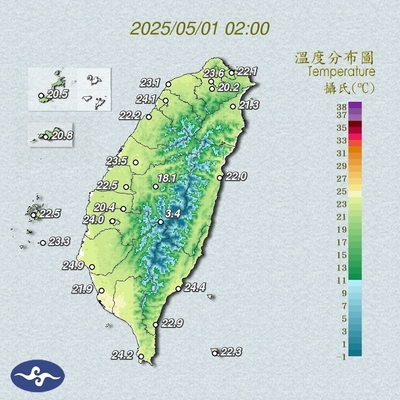
教會MIDI卡拉OK新增教會MIDI卡拉OK流量最多的歌信望愛大辭典:熱門條目教會MIDI卡拉OK新修改信望愛大辭典:隨機條目 |

 中英聖經朗讀◎黃哲輝牧師◎2026/01/03修訂


