
|
1:1 以色列王大衛兒子所羅門的箴言: The proverbs of Solomon son of David, king of Israel:
1:2 要使人曉得智慧和訓誨,分辨通達的言語, for attaining wisdom and discipline; for understanding words of insight; 1:3 使人處事領受智慧、仁義、公平、正直的訓誨, for acquiring a disciplined and prudent life, doing what is right and just and fair; 1:4 使愚人靈明,使少年人有知識和謀略, for giving prudence to the simple, knowledge and discretion to the young-- 1:5 使智慧人聽見,增長學問,使聰明人得著智謀, let the wise listen and add to their learning, and let the discerning get guidance-- 1:6 使人明白箴言和譬喻,懂得智慧人的言詞和謎語。 for understanding proverbs and parables, the sayings and riddles of the wise. 1:7 敬畏耶和華是知識的開端;愚妄人藐視智慧和訓誨。 The fear of the LORD is the beginning of knowledge, but fools 1:7 The Hebrew words rendered ((fool)) in Proverbs, and often elsewhere in the Old Testament, denote one who is morally deficient. despise wisdom and discipline. 1:8 我兒,要聽你父親的訓誨,不可離棄你母親的法則〔或譯:指教〕; Listen, my son, to your father's instruction and do not forsake your mother's teaching. 1:9 因為這要作你頭上的華冠,你項上的金鍊。 They will be a garland to grace your head and a chain to adorn your neck. 1:10 我兒,惡人若引誘你,你不可隨從。 My son, if sinners entice you, do not give in to them. 1:11 他們若說:你與我們同去,我們要埋伏流人之血,要蹲伏害無罪之人; If they say, <<Come along with us; let's lie in wait for someone's blood, let's waylay some harmless soul; 1:12 我們好像陰間,把他們活活吞下;他們如同下坑的人,被我們囫圇吞了; let's swallow them alive, like the grave, 1:12 Hebrew ((Sheol)) and whole, like those who go down to the pit; 1:13 我們必得各樣寶物,將所擄來的,裝滿房屋; we will get all sorts of valuable things and fill our houses with plunder; 1:14 你與我們大家同分,我們共用一個囊袋; throw in your lot with us, and we will share a common purse>>-- 1:15 我兒,不要與他們同行一道,禁止你腳走他們的路。 my son, do not go along with them, do not set foot on their paths; 1:16 因為,他們的腳奔跑行惡;他們急速流人的血, for their feet rush into sin, they are swift to shed blood. 1:17 好像飛鳥,網羅設在眼前仍不躲避。 How useless to spread a net in full view of all the birds! 1:18 這些人埋伏,是為自流己血;蹲伏,是為自害己命。 These men lie in wait for their own blood; they waylay only themselves! 1:19 凡貪戀財利的,所行之路都是如此;這貪戀之心乃奪去得財者之命。 Such is the end of all who go after ill-gotten gain; it takes away the lives of those who get it. 1:20 智慧在街市上呼喊,在寬闊處發聲, Wisdom calls aloud in the street, she raises her voice in the public squares; 1:21 在熱鬧街頭喊叫,在城門口,在城中發出言語, at the head of the noisy streets 1:21 Hebrew; Septuagint ((/ on the tops of the walls)) she cries out, in the gateways of the city she makes her speech: 1:22 說:你們愚昧人喜愛愚昧,褻慢人喜歡褻慢,愚頑人恨惡知識,要到幾時呢? <<How long will you simple ones 1:22 The Hebrew word rendered ((simple)) in Proverbs generally denotes one without moral direction and inclined to evil. love your simple ways? How long will mockers delight in mockery and fools hate knowledge? 1:23 你們當因我的責備回轉;我要將我的靈澆灌你們,將我的話指示你們。 If you had responded to my rebuke, I would have poured out my heart to you and made my thoughts known to you. 1:24 我呼喚,你們不肯聽從;我伸手,無人理會; But since you rejected me when I called and no one gave heed when I stretched out my hand, 1:25 反輕棄我一切的勸戒,不肯受我的責備。 since you ignored all my advice and would not accept my rebuke, 1:26 你們遭災難,我就發笑;驚恐臨到你們,我必嗤笑。 I in turn will laugh at your disaster; I will mock when calamity overtakes you-- 1:27 驚恐臨到你們,好像狂風;災難來到,如同暴風;急難痛苦臨到你們身上。 when calamity overtakes you like a storm, when disaster sweeps over you like a whirlwind, when distress and trouble overwhelm you. 1:28 那時,你們必呼求我,我卻不答應,懇切地尋找我,卻尋不見。 <<Then they will call to me but I will not answer; they will look for me but will not find me. 1:29 因為,你們恨惡知識,不喜愛敬畏耶和華, Since they hated knowledge and did not choose to fear the LORD, 1:30 不聽我的勸戒,藐視我一切的責備, since they would not accept my advice and spurned my rebuke, 1:31 所以必吃自結的果子,充滿自設的計謀。 they will eat the fruit of their ways and be filled with the fruit of their schemes. 1:32 愚昧人背道,必殺己身;愚頑人安逸,必害己命。 For the waywardness of the simple will kill them, and the complacency of fools will destroy them; 1:33 惟有聽從我的,必安然居住,得享安靜,不怕災禍。 but whoever listens to me will live in safety and be at ease, without fear of harm.>> 本模組中文化由長島基督福音教會的Jack起始。多次經本人修改,2025年11月由AI協助更改加入朗讀功能,2026年加入搜尋「中、英」字皆可,顯示「黃底紅字」歡迎大家使用!! 荒漠甘泉五合一■ 中文荒漠甘泉(10月28日)
十月廿八日 「然而神既有豐富的憐憫,因祂愛我們的大愛,當我們死在過犯中的時候,便叫我們與基督一同活過來……祂又叫我們與基督耶穌一同復活,一同坐在天上。」以弗所書二章4至6節 「與基督耶穌一同坐在天上」——安安靜靜地坐著——是我們的權利,是我們的本分。但是有幾個人真有這樣的經歷呢?有幾個人真想這是一件可能的事呢? 我們也許會想:恐怕在主日,或者靈程猛進的時候,偶然能有這樣的經歷;如果每天隨時都坐在天上,是不可能的事罷!但是我告訴你:主日能,週日也能,天天都能! 一個安靜的靈,對於外面的活動是非常有幫助的;反言之,沒有一件東西,比靈裡的焦急掛慮,更妨礙屬靈的能力和成功。 一位屬靈的信徒有一次告訴我們:「知道怎樣信靠、怎樣安靜,就是得到了一切。」這句話是非常有意思的。我們如果知道這個,我們工作的方法就會大大改變了。我們不會再不息地掙扎了;我們會安安靜靜地坐在主面前,讓聖靈去替我們完成我們所希望的。我們也許看不見、感不到,聖靈在替我們工作,但是我們應當相信:祂一直在很出力地替我們作啊!我們只要把我們靈安靜下來好了。 ─司密斯 有一個寧靜的處所, 在大旋風的中央, 風捲著它瘋狂旋轉, 這中心出奇地安詳, 如果有小孩在那裏酣睡, 連髮絲都不會飄揚。 我們應當在任何環境中學習享受神的平安。
■ 英文荒漠甘泉(10月28日)
October 28 "But God, who is rich in mercy, for his great love wherewith he loved us, even when we were dead in sins, hath quickened us together with Christ...and hath raised us up together, and made us sit together in heavenly places in Christ Jesus."(Eph.2:4-6) THIS is our rightful place, to be "seated in heavenly places in Christ Jesus," and to "sit still" there. But how few there are who make it their actual experience! How few, indeed think even that it is possible for them to "sit still" in these "heavenly places" in the every day life of a world so full of turmoil as this. We may believe perhaps that to pay a little visit to these heavenly places on Sundays, or now and then in times of spiritual exaltation, may be within the range of possibility; but to be actually "seated" there every day and all day long is altogether another matter; and yet it is very plain that it is for Sundays and week-days as well. A quiet spirit is of inestimable value in carrying on outward activities; and nothing so hinders the working of the hidden spiritual forces, upon which, after all, our success in everything really depends, as a spirit of unrest and anxiety. There is immense power in stillness. A great saint once said, "All things come to him who knows how to trust and be silent." the words are pregnant with meaning. A knowledge of this fact would immensely change our ways of working. Instead of restless struggles, we would "sit down" inwardly before the Lord, and would let the Diving forces of His Spirit work out in silence the ends to which we aspire. You may not see or feel the operations of this silent force, but be assured it is always working mightily, and will work for you, if you only get your spirit still enough to be carried along by the currents of its power. -Hannah Whitall Smith. "There is a point of rest At the great center of the cyclone's force, A silence at its secret sourse; A little child might slumber undisturbed, Without the ruffle of one fair curl, In that strange, central calm, amid the mighty whirl." It is your business to learn to be peaceful and safe in God in every situation.
■ 永活之泉(10月28日)
十月廿八日 真理的試金石 「我要給你一個不變的試金石以試驗所有的真理,那就是從一切世上的事退縮,停止一切談話,並心思所發生的工作和一切內心所產生的力量,去從事禱告;無論是坐、站或行,都屢次屈膝禱告:「因祂極大的良善,使你知道祂能除去你內心各種驕傲、敗壞的靈和敗壞的本性,使你深知那最深的真理,就是你可因祂的亮光和靈讓你謙卑。」 要因每個思想而喜樂,同時將一切事從內心深處向神求告,藉著真理和熱忱,人們把痛苦向神陳述。痛苦的環境和感覺使神的光得以在你裏面燃燒,做感動的工作;這種光和熱能使你有禱告的靈。起初只是感到痛苦、憤怒、和黑暗,使你裏面有一股熱量,然後你要求忍耐、自責、承認、謙卑,即使是痛苦也以謙卑為念。 人類的禱告接觸了神聖的愛,並為神的慈憐所環繞;禱告也是包含讚美和感謝,只要內心以神為樂,就不會受世俗引誘及影響,而禱告是有此改變的因素。現在即使沒有太多禱告的樣子,但也因與神合一而離祂相當地近。禱告不在乎外表的樣子、時間、地點和字句,而是以完全的信心、清潔的愛心,完全順服並樂於這樣做,這是禱告的靈最深的境界,也是與神合一最高的生命。」 禱告不僅是向神的祈求,而是在神的啟示下與祂相交;開始是謙卑的屈膝,不在乎祈求什麼,而在神的愛裏與祂相交,然後活出完全順服的樣式。這是何等可喜的!
■ 中文屬天日子(10月28日)
十月廿八日 因信稱義 「因為我們作仇敵的時候,且藉著神兒子的死,得與神和好,……就更因祂的生得救了。」羅馬書五章10節 我不是因信得救;而是因信感覺得了救,救我的不是悔改,悔改是種標記,表示我覺得神藉著基督耶穌所作的。危險的所在是反果為因──把我的服從和我的成聖歸主。叫我與神和好的是我的服從和我的成聖歸主嗎?絕不是的啊!我與神和好以先,還有基督為我們死的一步。當我歸向神,因著信接受我所能接受的神啟示,耶穌基督所付的贖價,立刻使我與神發生正當的關係,藉著神恩典的超然神蹟,我就稱義了,絕不是因為我感覺罪的譴責,也不是因為我的悔改,卻因為耶穌之所作所為。神的靈忽然將這贖價呈露出來,我就知道我得了救,不過不知其所以然罷了。 神的救恩,不是以人的邏輯為根據,卻是以耶穌犧牲的死為根據。我們能重生,是因為我們主的贖價。罪人能變成新人,不是因為他們悔改,或因為他們相信,卻因為神藉著基督耶穌的奇妙工作,這是在一切經驗以先的事,不是經驗的事。稱義和成聖的堅固保障是神本身。這些事不是我們自己作出來的;是因贖價作出來的。超然因神的奇蹟變成自然;認定這些事都是耶穌基督作成的──「成了」。
■ 中文上海嗎哪(10月28日)
十月廿八日 「……好!良善的僕人,你既在最小的事上有忠心,可以有權柄管十座城。」路加福音十九章17節 對神而言,真正算數的不是我們所謂的成功事奉,乃是我們的忠心態度。因迦勒及約書亞的忠誠,所以在他們去窺探耶利哥城時,神紀念他們的忠誠。對他們而言,那是一樁既困難且不受歡迎的職責,對我們來說亦然;因為神呼召我們在生命的危機當中,要不怕孤單地站穩腳步。無論是在相信神能戰勝罪惡這方面,或是相信我們在耶穌裡擁有產業的這方面,我們都要像迦勒及約書亞一樣接受考驗。 很多基督徒會承認耶穌基督有愛心,能賜給人新的生命,但同時難免會告訴別人,要單單完全靠主是不實際且不可能的事。我們當中有很多人,這些年來為了要見證基督的能力,使神的子民得到祂最豐富的祝福,不得不孤單地事奉神。正如約書亞和迦勒所經歷的,我們也一樣必須專心一意地跟隨神。這正是信心真正的勝利,以及證實我們忠誠的見證。 所以當我們因為見證神受到迫害,或是為神堅守原則而受責難時,我們不應該抱怨。相反的,讓我們感謝神,祂將因著我們忍受考驗而得著榮耀,更能在他人樂意跟隨主時,以我們為模範。
:::
會員登入線上使用者今日推薦台語聖經朗讀和合本 | Taiwanese Bible Reading Audio◎最新上傳進度◎🔥🙏📖牧師推薦好章最熱門聖經「章」朗讀最熱門單一「節」瀏覽數今日推薦台語聖經朗讀和合本 | Taiwanese Bible Reading Audio台語聖經朗讀和合本 | Taiwanese Bible Reading Audio提供免費台語聖經朗讀,包含國語與台語對照。 📖 創世記 1-50 / 50 📖 詩篇 1-23 / 150 📖 馬太福音 1-28 / 28 📖 加拉太書 1-6 / 6 📖 以弗所書 1-6 / 6 📖 腓立比書 1-4 / 4 📖 帖撒羅尼迦前書 1-5 / 5 📖 帖撒羅尼迦後書 1-3 / 3 📖 腓利門書 1-1 / 1 📖 雅各書 1-5 / 5 📖 猶大書 1-1 / 1
台語羅馬字典台語聖經朗讀和合本|Taiwanese Bible Reading Audio最新上傳計數器
隨機小語生命中的祝福,是一種「學會」。
在人與人的交往中,我們學會理解; 在胸中怒火中燒時,我們學會忍讓; 在別人觸犯自己時,我們學會寬容; 在別人遇到困難時,我們學會關心; 在很不利的環境中,我們學會生存。 雷達回波圖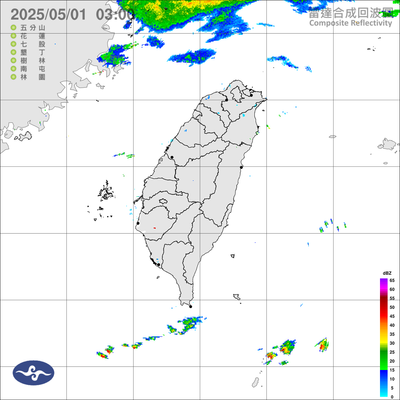
衛星雲圖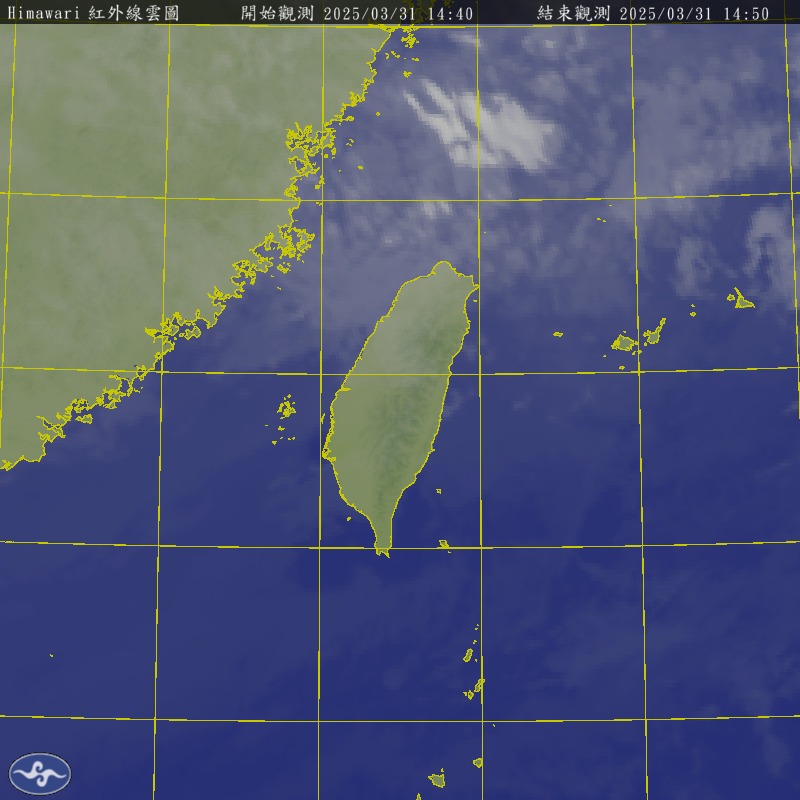
溫度分布圖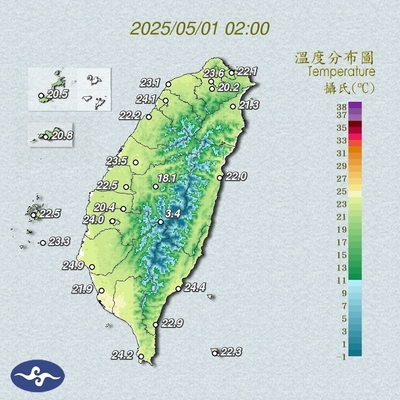
教會MIDI卡拉OK新增教會MIDI卡拉OK流量最多的歌信望愛大辭典:熱門條目教會MIDI卡拉OK新修改信望愛大辭典:隨機條目 |

 中英聖經朗讀◎黃哲輝牧師◎2026/01/03修訂


