
|
1:1 當猶大王約坦、亞哈斯、希西家在位的時候,摩利沙人彌迦得耶和華的默示,論撒馬利亞和耶路撒冷。 The word of the LORD that came to Micah of Moresheth during the reigns of Jotham, Ahaz and Hezekiah, kings of Judah--the vision he saw concerning Samaria and Jerusalem.
1:2 萬民哪,你們都要聽!地和其上所有的,也都要側耳而聽!主耶和華從他的聖殿要見證你們的不是。 Hear, O peoples, all of you, listen, O earth and all who are in it, that the Sovereign LORD may witness against you, the Lord from his holy temple. 1:3 看哪,耶和華出了他的居所,降臨步行地的高處。 Look! The LORD is coming from his dwelling place; he comes down and treads the high places of the earth. 1:4 眾山在他以下必消化,諸谷必崩裂,如蠟化在火中,如水沖下山坡。 The mountains melt beneath him and the valleys split apart, like wax before the fire, like water rushing down a slope. 1:5 這都因雅各的罪過,以色列家的罪惡。雅各的罪過在哪裏呢?豈不是在撒馬利亞嗎?猶大的邱壇在哪裏呢?豈不是在耶路撒冷嗎? All this is because of Jacob's transgression, because of the sins of the house of Israel. What is Jacob's transgression? Is it not Samaria? What is Judah's high place? Is it not Jerusalem? 1:6 所以我必使撒馬利亞變為田野的亂堆,又作為種葡萄之處;也必將她的石頭倒在谷中,露出根基來。 <<Therefore I will make Samaria a heap of rubble, a place for planting vineyards. I will pour her stones into the valley and lay bare her foundations. 1:7 她一切雕刻的偶像必被打碎;她所得的財物必被火燒;所有的偶像我必毀滅;因為是從妓女雇價所聚來的,後必歸為妓女的雇價。 All her idols will be broken to pieces; all her temple gifts will be burned with fire; I will destroy all her images. Since she gathered her gifts from the wages of prostitutes, as the wages of prostitutes they will again be used.>> 1:8 先知說:因此我必大聲哀號,赤腳露體而行;又要呼號如野狗,哀鳴如鴕鳥。 Because of this I will weep and wail; I will go about barefoot and naked. I will howl like a jackal and moan like an owl. 1:9 因為撒馬利亞的傷痕無法醫治,延及猶大和耶路撒冷我民的城門。 For her wound is incurable; it has come to Judah. It 1:9 Or ((He)) has reached the very gate of my people, even to Jerusalem itself. 1:10 不要在迦特報告這事,總不要哭泣;我在伯‧亞弗拉滾於灰塵之中。 Tell it not in Gath; 1:10 ((Gath)) sounds like the Hebrew for ((tell.)) weep not at all. 1:10 Hebrew; Septuagint may suggest ((not in Acco.)) The Hebrew for ((in Acco)) sounds like the Hebrew for ((weep.)) In Beth Ophrah 1:10 ((Beth Ophrah)) means ((house of dust.)) roll in the dust. 1:11 沙斐的居民哪,你們要赤身蒙羞過去。撒南的居民不敢出來。伯‧以薛人的哀哭使你們無處可站。 Pass on in nakedness and shame, you who live in Shaphir. 1:11 ((Shaphir)) means ((pleasant.)) Those who live in Zaanan 1:11 ((Zaanan)) sounds like the Hebrew for ((come out.)) will not come out. Beth Ezel is in mourning; its protection is taken from you. 1:12 瑪律的居民心甚憂急,切望得好處,因為災禍從耶和華那裏臨到耶路撒冷的城門。 Those who live in Maroth 1:12 ((Maroth)) sounds like the Hebrew for ((bitter.)) writhe in pain, waiting for relief, because disaster has come from the LORD, even to the gate of Jerusalem. 1:13 拉吉的居民哪,要用快馬套車;錫安民〔原文是女子〕的罪由你而起;以色列人的罪過在你那裏顯出。 You who live in Lachish, 1:13 ((Lachish)) sounds like the Hebrew for ((team.)) harness the team to the chariot. You were the beginning of sin to the Daughter of Zion, for the transgressions of Israel were found in you. 1:14 猶大啊,你要將禮物送給摩利設‧迦特。亞革悉的眾族必用詭詐待以色列諸王。 Therefore you will give parting gifts to Moresheth Gath. The town of Aczib 1:14 ((Aczib)) means ((deception.)) will prove deceptive to the kings of Israel. 1:15 瑪利沙的居民哪,我必使那奪取你的來到你這裏;以色列的尊貴人〔原文是榮耀〕必到亞杜蘭。 I will bring a conqueror against you who live in Mareshah. 1:15 ((Mareshah)) sounds like the Hebrew for ((conqueror.)) He who is the glory of Israel will come to Adullam. 1:16 猶大啊,要為你所喜愛的兒女剪除你的頭髮,使頭光禿,要大大地光禿,如同禿鷹,因為他們都被擄去離開你。 Shave your heads in mourning for the children in whom you delight; make yourselves as bald as the vulture, for they will go from you into exile. 本模組中文化由長島基督福音教會的Jack起始。多次經本人修改,2025年11月由AI協助更改加入朗讀功能,2026年加入搜尋「中、英」字皆可,顯示「黃底紅字」歡迎大家使用!! 荒漠甘泉五合一■ 中文荒漠甘泉(10月27日)
十月廿七日 「您的波浪洪濤漫過我身。」詩篇四二篇7節 這是祂的洪濤, 漫過了我身, 有時以窒息的浪花, 掩著聖容; 有時以柔細的泡沫, 為我們開路, 帶我們安全進港, 安還家中。 這是祂的洪濤, 有時為救我們, 祂從海口走過, 使憂愁逐出我們的心胸; 也有時候我們呼求, 卻沒有消息, 孤寂之中竟沒有援助到臨。 這是祂的洪濤, 有時衝著我們, 它們狂嘯怒號的喧嚷航行; 在永不停息的風浪中歷盡艱辛, 也有時候祂一聲命令, 萬籟肅靜。 這是祂的洪濤, 有時將海水分開, 讓我們走過海底, 如踏乾地; 也有時候祂放任巨浪澎湃, 在我們的路上橫行無忌。 這是祂的洪濤, 祂帶我們通過, 既曾如此應許, 祂必實現諾言。 祂用保護和指揮, 引導扶持, 帶我們通過, 抵達安全港灣。 ─富林德 信徒啊!讓我們在主所安放我們的地位上好好站住,盡我們所能的去作。神常喜歡給我們一些試煉,因為神希望我們經過劇烈的爭鬥以後,能發育得更加強壯。生長在風雨之下,曾受風雨擊打的樹木,往往比生長在退隱的山谷下,從未受過風雨摧殘的樹木,紮根更深。人生也是這樣。偉大的人物都是生長在艱苦中的。 ─選
■ 英文荒漠甘泉(10月27日)
October 27 "All thy waves and thy billows are gone over me."(Psalm 42:7) They are HIS billows, whether they go o'er us, Hiding His face in smothering spray and foam; Or smooth and sparkling, spread a path before us, And to our haven bear us safely home. They are HIS billows, whether for our succor He walks across them, stilling all our fear; Or to our cry there comes no aid nor answer, And in the lonely silence none is near. They are HIS billows, whether we are toiling Through tempest--driven waves that never cease, while deep to deep with clamor loud is calling; or at His word they hush themselves in peace. They are HIS billows, whether He divides them, Making us walk dryshod where seas had flowed; Or lets tumultuous breakers surge about us, Rushing unchecked across our only road. They are HIS billows, and He brings us through them; So He has promised, so His love will do. Keeping and leading, guiding and upholding, To His sure harbor, He will bring us through. -Annie Johnson Flint. Stand up in the place where the dear Lord has put you, and there do your best. God gives us trial tests. He puts life before us as an antagonist face to face. Out of the buffeting of a serious conflict we are expected to grow strong. The tree that grows where tempests toss its boughs and bend its trunk often almost to breaking, is often more firmly rooted than the tree which grows in the sequestered valley where no storm ever brings stress or strain. The same is true of life. The grandest character is grown in hardship. -Selected.
■ 永活之泉(10月27日)
十月廿七日 禱告的實行 我教你最好得到禱告之靈的方法。這是為了要賜給每位蒙救贖的罪人,如你能實行這些原則,就能做到其他人間的教導,這些事必須充滿在你心靈中,使你不以財產為念,驅逐心靈內世俗的喜好,並有實在的完全。禱告可使你明白你自己的光景,這是你應該有的情形,並使你內心充滿神,和祂的生命和聖靈。當你開始禱告,衷心的為所需而來除了發自內心的祈求,陳述和奉獻外別無所求。 凡事期望並依靠神的拯救是唯一絕對可靠安全的辦法,藉此可逃避艱難、苦難和枯燥,並一切惡的試探。緊握著這個線索,使你可因神的同在,免除試探和對國度的背叛。若非我們心意更新而變化,否則我們無法靠自己行善;當我們樂於悔改,我們整個心靈相信,期望依靠神的靈的啟示,當我們盼望任何能力在末日可改變我們的身體,但是除了基督,在新造的人並無別的能力。」 我們必須承認我們的禱告實在太少了,我們最高的特權是常常禱告與神交通,這是何等大的力量!但大多數是因為失敗或當作是重擔而軟弱無力,讓我們踏上第一步開始來學習,然後才可放心地向神支取每件東西,有兩個思想是一切真實禱告的根基:一、讓別人的需要在我們之上;二、為別人的需要代禱來彰顯神的榮耀和祂的大愛。這樣我們的禱告就有喜樂和能力,我的苦難就成了更大的福份,因此迫使我們在神面前等候。
■ 中文屬天日子(10月27日)
十月廿七日 傳道的方法 「所以你們要去,使萬民作我的門徒。」馬太福音廿八章19節 耶穌基督不是說──「要去拯救靈魂」(拯救靈魂,是神超然的工作),卻是說──「你們要去,使萬民作我的門徒。」你自己不作門徒,絕不能使人作門徒。當門徒首次傳道回來的時候,他們滿有快樂,因為他們制服了邪鬼。可是耶穌說──「不要因服務的成功快樂;卻要因我同你們的關係快樂。」宣教師的根本要素,是他永遠忠於神的選召,認定他唯一的目的是訓練人作耶穌的門徒。但是有些宣教師不是這樣,他們拯救靈魂的熱望,不從神而來,卻是盼望人順服他們的見解。 宣教師的困難,不從人們難於得救這條路上來,也不是從背教者不易回頭的這條路上來,更不是從人們之漠不關心這條路上來;卻是從他私人和耶穌基督關係的路上來。「你們信我能成這事麼?」我們的主一定要發出這種問話,我們在個別的情形下是必要遇見的。唯一偉大的困難──我認識我復活的主麼?我認識祂內在的靈力麼?我在神看是很聰明,在世俗看是很愚笨,能完全相信耶穌基督所說的麼?還是棄掉宣教師應守的道理,無條件的信任基督耶穌麼?如果我取從其他方法,我就是把我們的主所規定的方法全然改棄了。「天上地上所有的權柄都賜給我了,所以你們要去……。」
■ 中文上海嗎哪(10月27日)
十月廿七日 「我是耶和華,是凡有血氣者的神,豈有我難成的事嗎?」耶利米書卅二章27節 古列王曾經覺得為了要使耶利米的異象實現,他必須降旨允准建造耶路撒冷,並且准許被俘的以色列人回到祖國。也因此耶利米的信心被證明了,耶和華的預言也榮耀地實現!由此可見,在黑暗中倖存的信心,面對著毫無希望的未來,應該還能寫下一些證據,並且在等候的時候,把文件給封起來,最終會出現像亞拿突城這位先知的見證。 亞拿突一字有其美妙的意義:回音。信心即是神的回音,祂總是以美好的成就來回應人對祂的信心。讓我們也以信心來承繼,並倣傚這位先知的呼喊:「哦,神哪!您是凡有血氣者的神,豈有您難成的事?」而神也將自天上出現回答:「我是凡有血氣者的神,在我沒有難成的事。」
:::
會員登入線上使用者今日推薦台語聖經朗讀和合本 | Taiwanese Bible Reading Audio◎最新上傳進度◎🔥🙏📖牧師推薦好章最熱門聖經「章」朗讀最熱門單一「節」瀏覽數今日推薦台語聖經朗讀和合本 | Taiwanese Bible Reading Audio台語聖經朗讀和合本 | Taiwanese Bible Reading Audio提供免費台語聖經朗讀,包含國語與台語對照。 📖 創世記 1-50 / 50 📖 詩篇 1-23 / 150 📖 馬太福音 1-28 / 28 📖 加拉太書 1-6 / 6 📖 以弗所書 1-6 / 6 📖 腓立比書 1-4 / 4 📖 帖撒羅尼迦前書 1-5 / 5 📖 帖撒羅尼迦後書 1-3 / 3 📖 腓利門書 1-1 / 1 📖 雅各書 1-5 / 5 📖 猶大書 1-1 / 1
台語羅馬字典台語聖經朗讀和合本|Taiwanese Bible Reading Audio最新上傳計數器
隨機小語人生的痛苦:勞累是「想的太多」;困擾是「計較太多」;煩擾是「在乎太多」;無奈是「放不下太多」;煎熬是「執念太深」。1.堅持走自己的路,讓別人去說吧!2.再善良也不要委曲自己(原則不要過頭,要懂的拒絕).3.珍情當下,珍惜眼前人。2019.11.13筆
黃哲輝牧師 雷達回波圖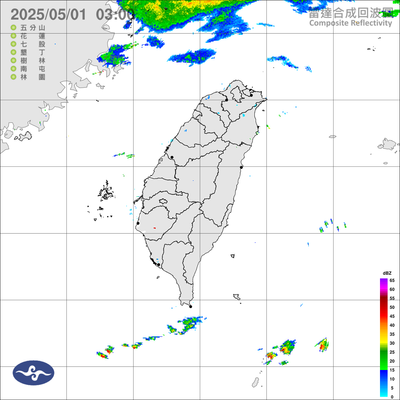
衛星雲圖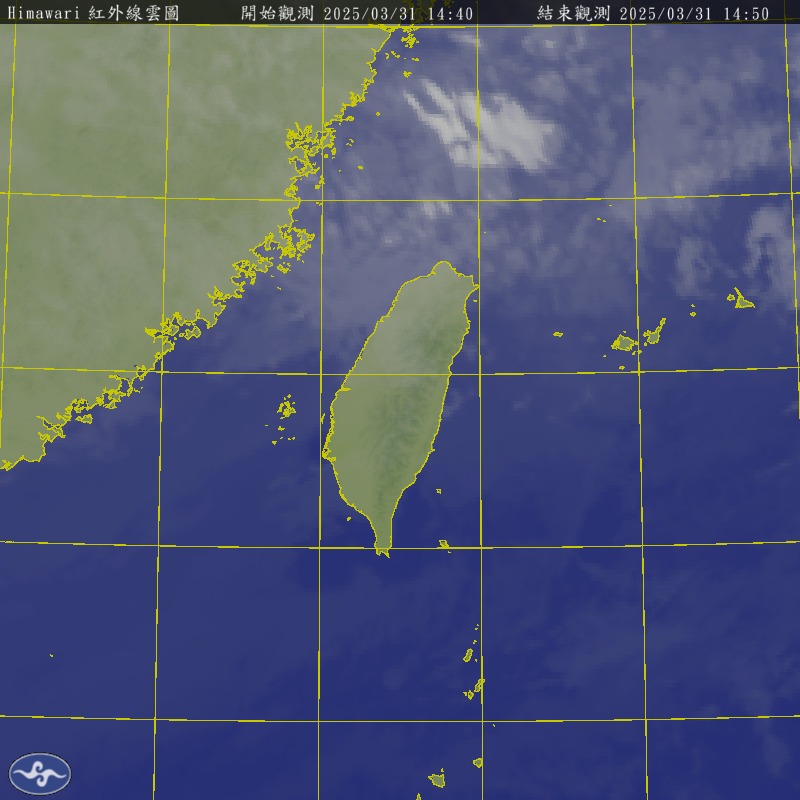
溫度分布圖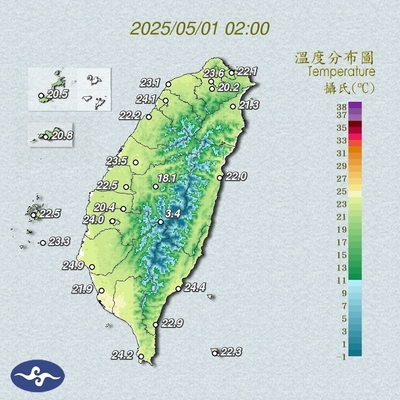
教會MIDI卡拉OK新增教會MIDI卡拉OK流量最多的歌信望愛大辭典:熱門條目教會MIDI卡拉OK新修改信望愛大辭典:隨機條目 |

 中英聖經朗讀◎黃哲輝牧師◎2026/01/03修訂


