
|
1:1 約書亞死後,以色列人求問耶和華說:「我們中間誰當首先上去攻擊迦南人,與他們爭戰?」 After the death of Joshua, the Israelites asked the LORD, <<Who will be the first to go up and fight for us against the Canaanites?>>
1:2 耶和華說:「猶大當先上去,我已將那地交在他手中。」 The LORD answered, <<Judah is to go; I have given the land into their hands.>> 1:3 猶大對他哥哥西緬說:「請你同我到拈鬮所得之地去,好與迦南人爭戰;以後我也同你到你拈鬮所得之地去。」於是西緬與他同去。 Then the men of Judah said to the Simeonites their brothers, <<Come up with us into the territory allotted to us, to fight against the Canaanites. We in turn will go with you into yours.>> So the Simeonites went with them. 1:4 猶大就上去;耶和華將迦南人和比利洗人交在他們手中。他們在比色擊殺了一萬人, When Judah attacked, the LORD gave the Canaanites and Perizzites into their hands and they struck down ten thousand men at Bezek. 1:5 又在那裏遇見亞多尼比色,與他爭戰,殺敗迦南人和比利洗人。 It was there that they found Adoni-Bezek and fought against him, putting to rout the Canaanites and Perizzites. 1:6 亞多尼比色逃跑;他們追趕,拿住他,砍斷他手腳的大姆指。 Adoni-Bezek fled, but they chased him and caught him, and cut off his thumbs and big toes. 1:7 亞多尼比色說:「從前有七十個王,手腳的大姆指都被我砍斷,在我桌子底下拾取零碎食物。現在 神按著我所行的報應我了。」於是他們將亞多尼比色帶到耶路撒冷,他就死在那裏。 Then Adoni-Bezek said, <<Seventy kings with their thumbs and big toes cut off have picked up scraps under my table. Now God has paid me back for what I did to them.>> They brought him to Jerusalem, and he died there. 1:8 猶大人攻打耶路撒冷,將城攻取,用刀殺了城內的人,並且放火燒城。 The men of Judah attacked Jerusalem also and took it. They put the city to the sword and set it on fire. 1:9 後來猶大人下去,與住山地、南地,和高原的迦南人爭戰。 After that, the men of Judah went down to fight against the Canaanites living in the hill country, the Negev and the western foothills. 1:10 猶大人去攻擊住希伯崙的迦南人,殺了示篩、亞希幔、撻買。希伯崙從前名叫基列‧亞巴。 They advanced against the Canaanites living in Hebron (formerly called Kiriath Arba) and defeated Sheshai, Ahiman and Talmai. 1:11 他們從那裏去攻擊底壁的居民;底壁從前名叫基列‧西弗。 From there they advanced against the people living in Debir (formerly called Kiriath Sepher). 1:12 迦勒說:「誰能攻打基列‧西弗,將城奪取,我就把我女兒押撒給他為妻。」 And Caleb said, <<I will give my daughter Acsah in marriage to the man who attacks and captures Kiriath Sepher.>> 1:13 迦勒兄弟基納斯的兒子俄陀聶奪取了那城,迦勒就把女兒押撒給他為妻。 Othniel son of Kenaz, Caleb's younger brother, took it; so Caleb gave his daughter Acsah to him in marriage. 1:14 押撒過門的時候,勸丈夫向她父親求一塊田。押撒一下驢,迦勒問她說:「你要甚麼?」 One day when she came to Othniel, she urged him 1:14 Hebrew; Septuagint and Vulgate ((Othniel, he urged her)) to ask her father for a field. When she got off her donkey, Caleb asked her, <<What can I do for you?>> 1:15 她說:「求你賜福給我,你既將我安置在南地,求你也給我水泉。」迦勒就把上泉下泉賜給她。 She replied, <<Do me a special favor. Since you have given me land in the Negev, give me also springs of water.>> Then Caleb gave her the upper and lower springs. 1:16 摩西的內兄〔或譯:岳父〕是基尼人,他的子孫與猶大人一同離了棕樹城,往亞拉得以南的猶大曠野去,就住在民中。 The descendants of Moses' father-in-law, the Kenite, went up from the City of Palms 1:16 That is, Jericho with the men of Judah to live among the people of the Desert of Judah in the Negev near Arad. 1:17 猶大和他哥哥西緬同去,擊殺了住洗法的迦南人,將城盡行毀滅,那城的名便叫何珥瑪。 Then the men of Judah went with the Simeonites their brothers and attacked the Canaanites living in Zephath, and they totally destroyed 1:17 The Hebrew term refers to the irrevocable giving over of things or persons to the LORD, often by totally destroying them. the city. Therefore it was called Hormah. 1:17 ((Hormah)) means ((destruction.)) 1:18 猶大又取了迦薩和迦薩的四境,亞實基倫和亞實基倫的四境,以革倫和以革倫的四境。 The men of Judah also took 1:18 Hebrew; Septuagint ((Judah did not take)) Gaza, Ashkelon and Ekron--each city with its territory. 1:19 耶和華與猶大同在,猶大就趕出山地的居民,只是不能趕出平原的居民,因為他們有鐵車。 The LORD was with the men of Judah. They took possession of the hill country, but they were unable to drive the people from the plains, because they had iron chariots. 1:20 以色列人照摩西所說的,將希伯崙給了迦勒;迦勒就從那裏趕出亞衲族的三個族長。 As Moses had promised, Hebron was given to Caleb, who drove from it the three sons of Anak. 1:21 便雅憫人沒有趕出住耶路撒冷的耶布斯人。耶布斯人仍在耶路撒冷與便雅憫人同住,直到今日。 The Benjamites, however, failed to dislodge the Jebusites, who were living in Jerusalem; to this day the Jebusites live there with the Benjamites. 1:22 約瑟家也上去攻打伯特利;耶和華與他們同在。 Now the house of Joseph attacked Bethel, and the LORD was with them. 1:23 約瑟家打發人去窺探伯特利(那城起先名叫路斯)。 When they sent men to spy out Bethel (formerly called Luz), 1:24 窺探的人看見一個人從城裏出來,就對他說:「求你將進城的路指示我們,我們必恩待你。」 the spies saw a man coming out of the city and they said to him, <<Show us how to get into the city and we will see that you are treated well.>> 1:25 那人將進城的路指示他們,他們就用刀擊殺了城中的居民,但將那人和他全家放去。 So he showed them, and they put the city to the sword but spared the man and his whole family. 1:26 那人往赫人之地去,築了一座城,起名叫路斯。那城到如今還叫這名。 He then went to the land of the Hittites, where he built a city and called it Luz, which is its name to this day. 1:27 瑪拿西沒有趕出伯善和屬伯善鄉村的居民,他納和屬他納鄉村的居民,多珥和屬多珥鄉村的居民,以伯蓮和屬以伯蓮鄉村的居民,米吉多和屬米吉多鄉村的居民;迦南人卻執意住在那些地方。 But Manasseh did not drive out the people of Beth Shan or Taanach or Dor or Ibleam or Megiddo and their surrounding settlements, for the Canaanites were determined to live in that land. 1:28 及至以色列強盛了,就使迦南人做苦工,沒有把他們全然趕出。 When Israel became strong, they pressed the Canaanites into forced labor but never drove them out completely. 1:29 以法蓮沒有趕出住基色的迦南人。於是迦南人仍住在基色,在以法蓮中間。 Nor did Ephraim drive out the Canaanites living in Gezer, but the Canaanites continued to live there among them. 1:30 西布倫沒有趕出基倫的居民和拿哈拉的居民。於是迦南人仍住在西布倫中間,成了服苦的人。 Neither did Zebulun drive out the Canaanites living in Kitron or Nahalol, who remained among them; but they did subject them to forced labor. 1:31 亞設沒有趕出亞柯和西頓的居民,亞黑拉和亞革悉的居民,黑巴、亞弗革與利合的居民。 Nor did Asher drive out those living in Acco or Sidon or Ahlab or Aczib or Helbah or Aphek or Rehob, 1:32 於是,亞設因為沒有趕出那地的迦南人,就住在他們中間。 and because of this the people of Asher lived among the Canaanite inhabitants of the land. 1:33 拿弗他利沒有趕出伯‧示麥和伯亞納的居民,於是拿弗他利就住在那地的迦南人中間;然而伯‧示麥和伯亞納的居民成了服苦的人。 Neither did Naphtali drive out those living in Beth Shemesh or Beth Anath; but the Naphtalites too lived among the Canaanite inhabitants of the land, and those living in Beth Shemesh and Beth Anath became forced laborers for them. 1:34 亞摩利人強逼但人住在山地,不容他們下到平原; The Amorites confined the Danites to the hill country, not allowing them to come down into the plain. 1:35 亞摩利人卻執意住在希烈山和亞雅倫並沙賓。然而約瑟家勝了他們,使他們成了服苦的人。 And the Amorites were determined also to hold out in Mount Heres, Aijalon and Shaalbim, but when the power of the house of Joseph increased, they too were pressed into forced labor. 1:36 亞摩利人的境界,是從亞克拉濱坡,從西拉而上。 The boundary of the Amorites was from Scorpion 1:36 Hebrew ((Akrabbim)) Pass to Sela and beyond. 本模組中文化由長島基督福音教會的Jack起始。多次經本人修改,2025年11月由AI協助更改加入朗讀功能,2026年加入搜尋「中、英」字皆可,顯示「黃底紅字」歡迎大家使用!! 荒漠甘泉五合一■ 中文荒漠甘泉(10月27日)
十月廿七日 「您的波浪洪濤漫過我身。」詩篇四二篇7節 這是祂的洪濤, 漫過了我身, 有時以窒息的浪花, 掩著聖容; 有時以柔細的泡沫, 為我們開路, 帶我們安全進港, 安還家中。 這是祂的洪濤, 有時為救我們, 祂從海口走過, 使憂愁逐出我們的心胸; 也有時候我們呼求, 卻沒有消息, 孤寂之中竟沒有援助到臨。 這是祂的洪濤, 有時衝著我們, 它們狂嘯怒號的喧嚷航行; 在永不停息的風浪中歷盡艱辛, 也有時候祂一聲命令, 萬籟肅靜。 這是祂的洪濤, 有時將海水分開, 讓我們走過海底, 如踏乾地; 也有時候祂放任巨浪澎湃, 在我們的路上橫行無忌。 這是祂的洪濤, 祂帶我們通過, 既曾如此應許, 祂必實現諾言。 祂用保護和指揮, 引導扶持, 帶我們通過, 抵達安全港灣。 ─富林德 信徒啊!讓我們在主所安放我們的地位上好好站住,盡我們所能的去作。神常喜歡給我們一些試煉,因為神希望我們經過劇烈的爭鬥以後,能發育得更加強壯。生長在風雨之下,曾受風雨擊打的樹木,往往比生長在退隱的山谷下,從未受過風雨摧殘的樹木,紮根更深。人生也是這樣。偉大的人物都是生長在艱苦中的。 ─選
■ 英文荒漠甘泉(10月27日)
October 27 "All thy waves and thy billows are gone over me."(Psalm 42:7) They are HIS billows, whether they go o'er us, Hiding His face in smothering spray and foam; Or smooth and sparkling, spread a path before us, And to our haven bear us safely home. They are HIS billows, whether for our succor He walks across them, stilling all our fear; Or to our cry there comes no aid nor answer, And in the lonely silence none is near. They are HIS billows, whether we are toiling Through tempest--driven waves that never cease, while deep to deep with clamor loud is calling; or at His word they hush themselves in peace. They are HIS billows, whether He divides them, Making us walk dryshod where seas had flowed; Or lets tumultuous breakers surge about us, Rushing unchecked across our only road. They are HIS billows, and He brings us through them; So He has promised, so His love will do. Keeping and leading, guiding and upholding, To His sure harbor, He will bring us through. -Annie Johnson Flint. Stand up in the place where the dear Lord has put you, and there do your best. God gives us trial tests. He puts life before us as an antagonist face to face. Out of the buffeting of a serious conflict we are expected to grow strong. The tree that grows where tempests toss its boughs and bend its trunk often almost to breaking, is often more firmly rooted than the tree which grows in the sequestered valley where no storm ever brings stress or strain. The same is true of life. The grandest character is grown in hardship. -Selected.
■ 永活之泉(10月27日)
十月廿七日 禱告的實行 我教你最好得到禱告之靈的方法。這是為了要賜給每位蒙救贖的罪人,如你能實行這些原則,就能做到其他人間的教導,這些事必須充滿在你心靈中,使你不以財產為念,驅逐心靈內世俗的喜好,並有實在的完全。禱告可使你明白你自己的光景,這是你應該有的情形,並使你內心充滿神,和祂的生命和聖靈。當你開始禱告,衷心的為所需而來除了發自內心的祈求,陳述和奉獻外別無所求。 凡事期望並依靠神的拯救是唯一絕對可靠安全的辦法,藉此可逃避艱難、苦難和枯燥,並一切惡的試探。緊握著這個線索,使你可因神的同在,免除試探和對國度的背叛。若非我們心意更新而變化,否則我們無法靠自己行善;當我們樂於悔改,我們整個心靈相信,期望依靠神的靈的啟示,當我們盼望任何能力在末日可改變我們的身體,但是除了基督,在新造的人並無別的能力。」 我們必須承認我們的禱告實在太少了,我們最高的特權是常常禱告與神交通,這是何等大的力量!但大多數是因為失敗或當作是重擔而軟弱無力,讓我們踏上第一步開始來學習,然後才可放心地向神支取每件東西,有兩個思想是一切真實禱告的根基:一、讓別人的需要在我們之上;二、為別人的需要代禱來彰顯神的榮耀和祂的大愛。這樣我們的禱告就有喜樂和能力,我的苦難就成了更大的福份,因此迫使我們在神面前等候。
■ 中文屬天日子(10月27日)
十月廿七日 傳道的方法 「所以你們要去,使萬民作我的門徒。」馬太福音廿八章19節 耶穌基督不是說──「要去拯救靈魂」(拯救靈魂,是神超然的工作),卻是說──「你們要去,使萬民作我的門徒。」你自己不作門徒,絕不能使人作門徒。當門徒首次傳道回來的時候,他們滿有快樂,因為他們制服了邪鬼。可是耶穌說──「不要因服務的成功快樂;卻要因我同你們的關係快樂。」宣教師的根本要素,是他永遠忠於神的選召,認定他唯一的目的是訓練人作耶穌的門徒。但是有些宣教師不是這樣,他們拯救靈魂的熱望,不從神而來,卻是盼望人順服他們的見解。 宣教師的困難,不從人們難於得救這條路上來,也不是從背教者不易回頭的這條路上來,更不是從人們之漠不關心這條路上來;卻是從他私人和耶穌基督關係的路上來。「你們信我能成這事麼?」我們的主一定要發出這種問話,我們在個別的情形下是必要遇見的。唯一偉大的困難──我認識我復活的主麼?我認識祂內在的靈力麼?我在神看是很聰明,在世俗看是很愚笨,能完全相信耶穌基督所說的麼?還是棄掉宣教師應守的道理,無條件的信任基督耶穌麼?如果我取從其他方法,我就是把我們的主所規定的方法全然改棄了。「天上地上所有的權柄都賜給我了,所以你們要去……。」
■ 中文上海嗎哪(10月27日)
十月廿七日 「我是耶和華,是凡有血氣者的神,豈有我難成的事嗎?」耶利米書卅二章27節 古列王曾經覺得為了要使耶利米的異象實現,他必須降旨允准建造耶路撒冷,並且准許被俘的以色列人回到祖國。也因此耶利米的信心被證明了,耶和華的預言也榮耀地實現!由此可見,在黑暗中倖存的信心,面對著毫無希望的未來,應該還能寫下一些證據,並且在等候的時候,把文件給封起來,最終會出現像亞拿突城這位先知的見證。 亞拿突一字有其美妙的意義:回音。信心即是神的回音,祂總是以美好的成就來回應人對祂的信心。讓我們也以信心來承繼,並倣傚這位先知的呼喊:「哦,神哪!您是凡有血氣者的神,豈有您難成的事?」而神也將自天上出現回答:「我是凡有血氣者的神,在我沒有難成的事。」
:::
會員登入線上使用者今日推薦台語聖經朗讀和合本 | Taiwanese Bible Reading Audio◎最新上傳進度◎🔥🙏📖牧師推薦好章最熱門聖經「章」朗讀最熱門單一「節」瀏覽數今日推薦台語聖經朗讀和合本 | Taiwanese Bible Reading Audio台語聖經朗讀和合本 | Taiwanese Bible Reading Audio提供免費台語聖經朗讀,包含國語與台語對照。 📖 創世記 1-50 / 50 📖 詩篇 1-23 / 150 📖 馬太福音 1-28 / 28 📖 加拉太書 1-6 / 6 📖 以弗所書 1-6 / 6 📖 腓立比書 1-4 / 4 📖 帖撒羅尼迦前書 1-5 / 5 📖 帖撒羅尼迦後書 1-3 / 3 📖 腓利門書 1-1 / 1 📖 雅各書 1-5 / 5 📖 猶大書 1-1 / 1
台語羅馬字典台語聖經朗讀和合本|Taiwanese Bible Reading Audio最新上傳計數器
隨機小語即使有人被全世界認定是千萬人心中的「不朽英雄」,他就像射出去的箭一樣,無論箭是多麼的強勁,超越其他的箭,但在他飛越呼嘯之後,總是有墜落的一刻。
黃哲輝牧師 雷達回波圖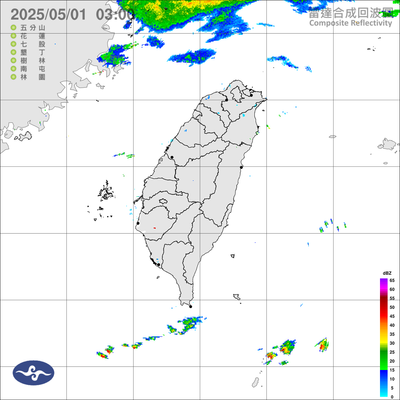
衛星雲圖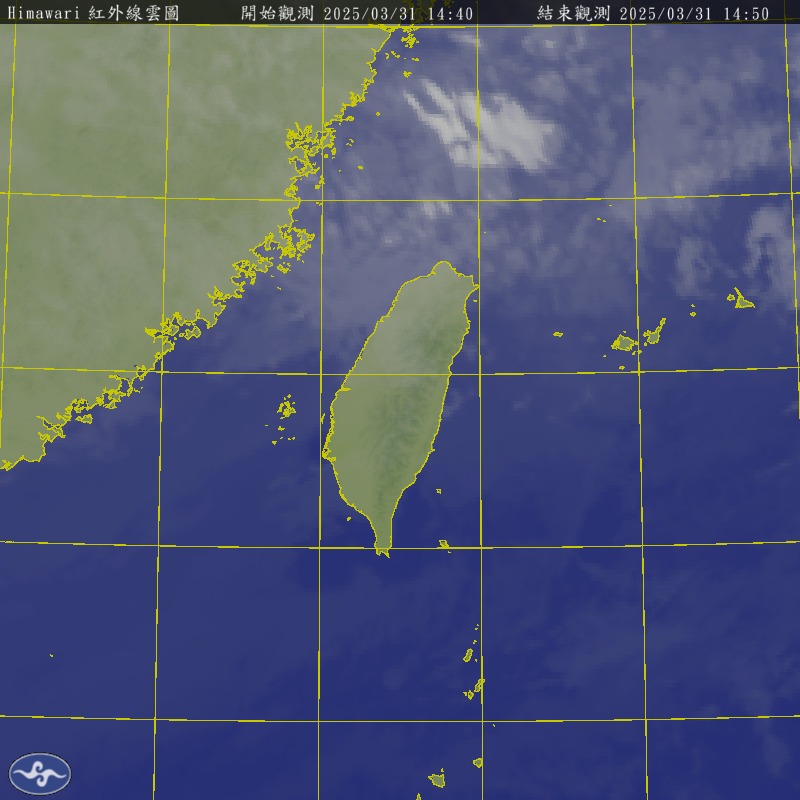
溫度分布圖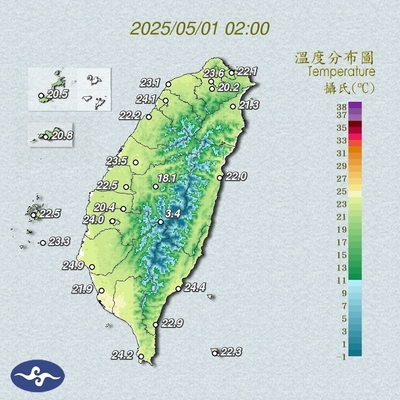
教會MIDI卡拉OK新增教會MIDI卡拉OK流量最多的歌信望愛大辭典:熱門條目教會MIDI卡拉OK新修改信望愛大辭典:隨機條目 |

 中英聖經朗讀◎黃哲輝牧師◎2026/01/03修訂


