
|
1:1 烏斯地有一個人名叫約伯;那人完全正直,敬畏 神,遠離惡事。 In the land of Uz there lived a man whose name was Job. This man was blameless and upright; he feared God and shunned evil.
1:2 他生了七個兒子,三個女兒。 He had seven sons and three daughters, 1:3 他的家產有七千羊,三千駱駝,五百對牛,五百母驢,並有許多僕婢。這人在東方人中就為至大。 and he owned seven thousand sheep, three thousand camels, five hundred yoke of oxen and five hundred donkeys, and had a large number of servants. He was the greatest man among all the people of the East. 1:4 他的兒子按著日子各在自己家裏設擺筵宴,就打發人去,請了他們的三個姊妹來,與他們一同吃喝。 His sons used to take turns holding feasts in their homes, and they would invite their three sisters to eat and drink with them. 1:5 筵宴的日子過了,約伯打發人去叫他們自潔。他清早起來,按著他們眾人的數目獻燔祭;因為他說:「恐怕我兒子犯了罪,心中棄掉 神。」約伯常常這樣行。 When a period of feasting had run its course, Job would send and have them purified. Early in the morning he would sacrifice a burnt offering for each of them, thinking, <<Perhaps my children have sinned and cursed God in their hearts.>> This was Job's regular custom. 1:6 有一天, 神的眾子來侍立在耶和華面前,撒但也來在其中。 One day the angels 1:6 Hebrew ((the sons of God)) came to present themselves before the LORD, and Satan 1:6 ((Satan)) means ((accuser.)) also came with them. 1:7 耶和華問撒但說:「你從哪裏來?」撒但回答說:「我從地上走來走去,往返而來。」 The LORD said to Satan, <<Where have you come from?>> Satan answered the LORD, <<From roaming through the earth and going back and forth in it.>> 1:8 耶和華問撒但說:「你曾用心察看我的僕人約伯沒有?地上再沒有人像他完全正直,敬畏 神,遠離惡事。」 Then the LORD said to Satan, <<Have you considered my servant Job? There is no one on earth like him; he is blameless and upright, a man who fears God and shuns evil.>> 1:9 撒但回答耶和華說:「約伯敬畏 神,豈是無故呢? <<Does Job fear God for nothing?>> Satan replied. 1:10 他的妻子對他說:「你仍然持守你的純正嗎?你棄掉 神,死了吧!」 <<Have you not put a hedge around him and his household and everything he has? You have blessed the work of his hands, so that his flocks and herds are spread throughout the land. 1:11 你豈不是四面圈上籬笆圍護他和他的家,並他一切所有的嗎?他手所做的都蒙你賜福;他的家產也在地上增多。 But stretch out your hand and strike everything he has, and he will surely curse you to your face.>> 1:12 你且伸手毀他一切所有的;他必當面棄掉你。」 The LORD said to Satan, <<Very well, then, everything he has is in your hands, but on the man himself do not lay a finger.>> Then Satan went out from the presence of the LORD. 1:13 耶和華對撒但說:「凡他所有的都在你手中;只是不可伸手加害於他。」於是撒但從耶和華面前退去。 One day when Job's sons and daughters were feasting and drinking wine at the oldest brother's house, 1:14 有一天,約伯的兒女正在他們長兄的家裏吃飯喝酒, a messenger came to Job and said, <<The oxen were plowing and the donkeys were grazing nearby, 1:15 有報信的來見約伯,說:「牛正耕地,驢在旁邊吃草, and the Sabeans attacked and carried them off. They put the servants to the sword, and I am the only one who has escaped to tell you!>> 1:16 示巴人忽然闖來,把牲畜擄去,並用刀殺了僕人;惟有我一人逃脫,來報信給你。」 While he was still speaking, another messenger came and said, <<The fire of God fell from the sky and burned up the sheep and the servants, and I am the only one who has escaped to tell you!>> 1:17 他還說話的時候,又有人來說:「 神從天上降下火來,將群羊和僕人都燒滅了;惟有我一人逃脫,來報信給你。」 While he was still speaking, another messenger came and said, <<The Chaldeans formed three raiding parties and swept down on your camels and carried them off. They put the servants to the sword, and I am the only one who has escaped to tell you!>> 1:18 他還說話的時候,又有人來說:「迦勒底人分作三隊忽然闖來,把駱駝擄去,並用刀殺了僕人;惟有我一人逃脫,來報信給你。」 While he was still speaking, yet another messenger came and said, <<Your sons and daughters were feasting and drinking wine at the oldest brother's house, 1:19 他還說話的時候,又有人來說:「你的兒女正在他們長兄的家裏吃飯喝酒, when suddenly a mighty wind swept in from the desert and struck the four corners of the house. It collapsed on them and they are dead, and I am the only one who has escaped to tell you!>> 1:20 不料,有狂風從曠野颳來,擊打房屋的四角,房屋倒塌在少年人身上,他們就都死了;惟有我一人逃脫,來報信給你。」 At this, Job got up and tore his robe and shaved his head. Then he fell to the ground in worship 1:21 約伯便起來,撕裂外袍,剃了頭,伏在地上下拜, and said: <<Naked I came from my mother's womb, and naked I will depart. 1:21 Or ((will return there)) The LORD gave and the LORD has taken away; may the name of the LORD be praised.>> 1:22 說:「我赤身出於母胎,也必赤身歸回;賞賜的是耶和華,收取的也是耶和華。耶和華的名是應當稱頌的。」 In all this, Job did not sin by charging God with wrongdoing. 本模組中文化由長島基督福音教會的Jack起始。多次經本人修改,2025年11月由AI協助更改加入朗讀功能,2026年加入搜尋「中、英」字皆可,顯示「黃底紅字」歡迎大家使用!! 荒漠甘泉五合一■ 中文荒漠甘泉(10月27日)
十月廿七日 「您的波浪洪濤漫過我身。」詩篇四二篇7節 這是祂的洪濤, 漫過了我身, 有時以窒息的浪花, 掩著聖容; 有時以柔細的泡沫, 為我們開路, 帶我們安全進港, 安還家中。 這是祂的洪濤, 有時為救我們, 祂從海口走過, 使憂愁逐出我們的心胸; 也有時候我們呼求, 卻沒有消息, 孤寂之中竟沒有援助到臨。 這是祂的洪濤, 有時衝著我們, 它們狂嘯怒號的喧嚷航行; 在永不停息的風浪中歷盡艱辛, 也有時候祂一聲命令, 萬籟肅靜。 這是祂的洪濤, 有時將海水分開, 讓我們走過海底, 如踏乾地; 也有時候祂放任巨浪澎湃, 在我們的路上橫行無忌。 這是祂的洪濤, 祂帶我們通過, 既曾如此應許, 祂必實現諾言。 祂用保護和指揮, 引導扶持, 帶我們通過, 抵達安全港灣。 ─富林德 信徒啊!讓我們在主所安放我們的地位上好好站住,盡我們所能的去作。神常喜歡給我們一些試煉,因為神希望我們經過劇烈的爭鬥以後,能發育得更加強壯。生長在風雨之下,曾受風雨擊打的樹木,往往比生長在退隱的山谷下,從未受過風雨摧殘的樹木,紮根更深。人生也是這樣。偉大的人物都是生長在艱苦中的。 ─選
■ 英文荒漠甘泉(10月27日)
October 27 "All thy waves and thy billows are gone over me."(Psalm 42:7) They are HIS billows, whether they go o'er us, Hiding His face in smothering spray and foam; Or smooth and sparkling, spread a path before us, And to our haven bear us safely home. They are HIS billows, whether for our succor He walks across them, stilling all our fear; Or to our cry there comes no aid nor answer, And in the lonely silence none is near. They are HIS billows, whether we are toiling Through tempest--driven waves that never cease, while deep to deep with clamor loud is calling; or at His word they hush themselves in peace. They are HIS billows, whether He divides them, Making us walk dryshod where seas had flowed; Or lets tumultuous breakers surge about us, Rushing unchecked across our only road. They are HIS billows, and He brings us through them; So He has promised, so His love will do. Keeping and leading, guiding and upholding, To His sure harbor, He will bring us through. -Annie Johnson Flint. Stand up in the place where the dear Lord has put you, and there do your best. God gives us trial tests. He puts life before us as an antagonist face to face. Out of the buffeting of a serious conflict we are expected to grow strong. The tree that grows where tempests toss its boughs and bend its trunk often almost to breaking, is often more firmly rooted than the tree which grows in the sequestered valley where no storm ever brings stress or strain. The same is true of life. The grandest character is grown in hardship. -Selected.
■ 永活之泉(10月27日)
十月廿七日 禱告的實行 我教你最好得到禱告之靈的方法。這是為了要賜給每位蒙救贖的罪人,如你能實行這些原則,就能做到其他人間的教導,這些事必須充滿在你心靈中,使你不以財產為念,驅逐心靈內世俗的喜好,並有實在的完全。禱告可使你明白你自己的光景,這是你應該有的情形,並使你內心充滿神,和祂的生命和聖靈。當你開始禱告,衷心的為所需而來除了發自內心的祈求,陳述和奉獻外別無所求。 凡事期望並依靠神的拯救是唯一絕對可靠安全的辦法,藉此可逃避艱難、苦難和枯燥,並一切惡的試探。緊握著這個線索,使你可因神的同在,免除試探和對國度的背叛。若非我們心意更新而變化,否則我們無法靠自己行善;當我們樂於悔改,我們整個心靈相信,期望依靠神的靈的啟示,當我們盼望任何能力在末日可改變我們的身體,但是除了基督,在新造的人並無別的能力。」 我們必須承認我們的禱告實在太少了,我們最高的特權是常常禱告與神交通,這是何等大的力量!但大多數是因為失敗或當作是重擔而軟弱無力,讓我們踏上第一步開始來學習,然後才可放心地向神支取每件東西,有兩個思想是一切真實禱告的根基:一、讓別人的需要在我們之上;二、為別人的需要代禱來彰顯神的榮耀和祂的大愛。這樣我們的禱告就有喜樂和能力,我的苦難就成了更大的福份,因此迫使我們在神面前等候。
■ 中文屬天日子(10月27日)
十月廿七日 傳道的方法 「所以你們要去,使萬民作我的門徒。」馬太福音廿八章19節 耶穌基督不是說──「要去拯救靈魂」(拯救靈魂,是神超然的工作),卻是說──「你們要去,使萬民作我的門徒。」你自己不作門徒,絕不能使人作門徒。當門徒首次傳道回來的時候,他們滿有快樂,因為他們制服了邪鬼。可是耶穌說──「不要因服務的成功快樂;卻要因我同你們的關係快樂。」宣教師的根本要素,是他永遠忠於神的選召,認定他唯一的目的是訓練人作耶穌的門徒。但是有些宣教師不是這樣,他們拯救靈魂的熱望,不從神而來,卻是盼望人順服他們的見解。 宣教師的困難,不從人們難於得救這條路上來,也不是從背教者不易回頭的這條路上來,更不是從人們之漠不關心這條路上來;卻是從他私人和耶穌基督關係的路上來。「你們信我能成這事麼?」我們的主一定要發出這種問話,我們在個別的情形下是必要遇見的。唯一偉大的困難──我認識我復活的主麼?我認識祂內在的靈力麼?我在神看是很聰明,在世俗看是很愚笨,能完全相信耶穌基督所說的麼?還是棄掉宣教師應守的道理,無條件的信任基督耶穌麼?如果我取從其他方法,我就是把我們的主所規定的方法全然改棄了。「天上地上所有的權柄都賜給我了,所以你們要去……。」
■ 中文上海嗎哪(10月27日)
十月廿七日 「我是耶和華,是凡有血氣者的神,豈有我難成的事嗎?」耶利米書卅二章27節 古列王曾經覺得為了要使耶利米的異象實現,他必須降旨允准建造耶路撒冷,並且准許被俘的以色列人回到祖國。也因此耶利米的信心被證明了,耶和華的預言也榮耀地實現!由此可見,在黑暗中倖存的信心,面對著毫無希望的未來,應該還能寫下一些證據,並且在等候的時候,把文件給封起來,最終會出現像亞拿突城這位先知的見證。 亞拿突一字有其美妙的意義:回音。信心即是神的回音,祂總是以美好的成就來回應人對祂的信心。讓我們也以信心來承繼,並倣傚這位先知的呼喊:「哦,神哪!您是凡有血氣者的神,豈有您難成的事?」而神也將自天上出現回答:「我是凡有血氣者的神,在我沒有難成的事。」
:::
會員登入線上使用者今日推薦台語聖經朗讀和合本 | Taiwanese Bible Reading Audio◎最新上傳進度◎🔥🙏📖牧師推薦好章最熱門聖經「章」朗讀最熱門單一「節」瀏覽數今日推薦台語聖經朗讀和合本 | Taiwanese Bible Reading Audio台語聖經朗讀和合本 | Taiwanese Bible Reading Audio提供免費台語聖經朗讀,包含國語與台語對照。 📖 創世記 1-50 / 50 📖 詩篇 1-23 / 150 📖 馬太福音 1-28 / 28 📖 加拉太書 1-6 / 6 📖 以弗所書 1-6 / 6 📖 腓立比書 1-4 / 4 📖 帖撒羅尼迦前書 1-5 / 5 📖 帖撒羅尼迦後書 1-3 / 3 📖 腓利門書 1-1 / 1 📖 雅各書 1-5 / 5 📖 猶大書 1-1 / 1
台語羅馬字典台語聖經朗讀和合本|Taiwanese Bible Reading Audio最新上傳計數器
隨機小語20260129最美的人生座右銘:人生必須有的四個然。
得其淡然 → 得到了,不用太高興。不以世界為誇口 失其坦然 → 失去了,也不用太難過。交託、仰望 爭其自然 → 人生會遇見衝突爭戰的事,不用太驚訝。竭力而不勉強 順其自然 → 是你的跑不掉,不是你的強求也不能得到,凡事不要太勉強。把主權交還給神 黃哲輝牧師 雷達回波圖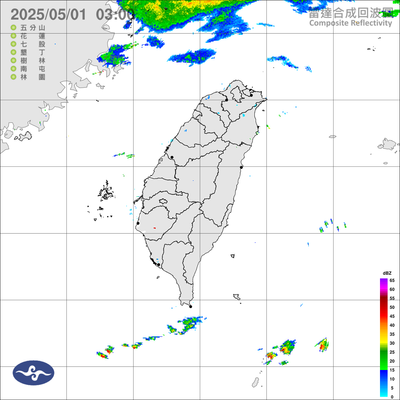
衛星雲圖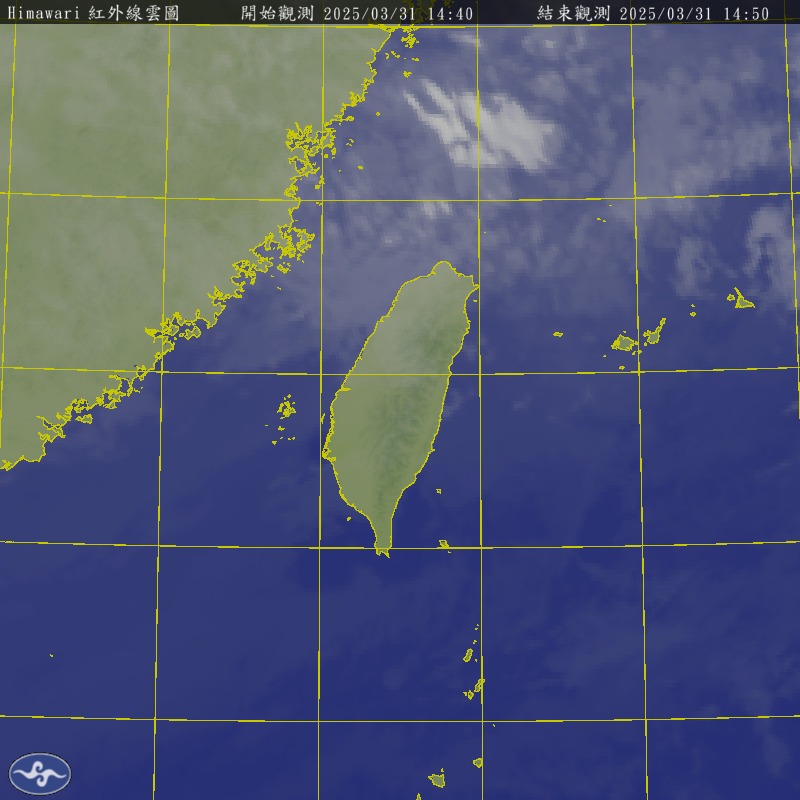
溫度分布圖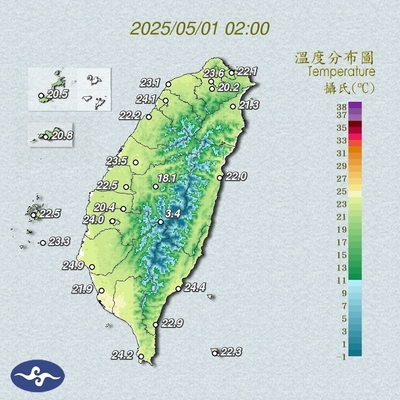
教會MIDI卡拉OK新增教會MIDI卡拉OK流量最多的歌信望愛大辭典:熱門條目教會MIDI卡拉OK新修改信望愛大辭典:隨機條目 |

 中英聖經朗讀◎黃哲輝牧師◎2026/01/03修訂


