
|
1:1 以色列的眾子,各帶家眷,和雅各一同來到埃及。他們的名字記在下面。 These are the names of the sons of Israel who went to Egypt with Jacob, each with his family:
1:2 有呂便、西緬、利未、猶大、 Reuben, Simeon, Levi and Judah; 1:3 以薩迦、西布倫、便雅憫、 Issachar, Zebulun and Benjamin; 1:4 但、拿弗他利、迦得、亞設。 Dan and Naphtali; Gad and Asher. 1:5 凡從雅各而生的,共有七十人。約瑟已經在埃及。 The descendants of Jacob numbered seventy(((\f 1:5 Masoretic Text (see also Gen. 46:27); Dead Sea Scrolls and Septuagint (see also Acts 7:14 and note at Gen. 46:27) ((seventy-five))\F) in all; Joseph was already in Egypt. 1:6 約瑟和他的弟兄,並那一代的人,都死了。 Now Joseph and all his brothers and all that generation died, 1:7 以色列人生養眾多,並且繁茂,極其強盛,滿了那地。 but the Israelites were fruitful and multiplied greatly and became exceedingly numerous, so that the land was filled with them. 1:8 有不認識約瑟的新王起來,治理埃及, Then a new king, who did not know about Joseph, came to power in Egypt. 1:9 對他的百姓說:「看哪,這以色列民比我們還多,又比我們強盛。 <<Look,>> he said to his people, <<the Israelites have become much too numerous for us. 1:10 來吧,我們不如用巧計待他們,恐怕他們多起來,日後若遇甚麼爭戰的事,就連合我們的仇敵攻擊我們,離開這地去了。」 Come, we must deal shrewdly with them or they will become even more numerous and, if war breaks out, will join our enemies, fight against us and leave the country.>> 1:11 於是埃及人派督工的轄制他們,加重擔苦害他們。他們為法老建造兩座積貨城,就是比東和蘭塞。 So they put slave masters over them to oppress them with forced labor, and they built Pithom and Rameses as store cities for Pharaoh. 1:12 只是越發苦害他們,他們越發多起來,越發蔓延;埃及人就因以色列人愁煩。 But the more they were oppressed, the more they multiplied and spread; so the Egyptians came to dread the Israelites 1:13 埃及人嚴嚴地使以色列人做工, and worked them ruthlessly. 1:14 使他們因做苦工覺得命苦;無論是和泥,是做磚,是做田間各樣的工,在一切的工上都嚴嚴地待他們。 They made their lives bitter with hard labor in brick and mortar and with all kinds of work in the fields; in all their hard labor the Egyptians used them ruthlessly. 1:15 有希伯來的兩個收生婆,一名施弗拉,一名普阿;埃及王對她們說: The king of Egypt said to the Hebrew midwives, whose names were Shiphrah and Puah, 1:16 「你們為希伯來婦人收生,看她們臨盆的時候,若是男孩,就把他殺了;若是女孩,就留她存活。」 <<When you help the Hebrew women in childbirth and observe them on the delivery stool, if it is a boy, kill him; but if it is a girl, let her live.>> 1:17 但是收生婆敬畏 神,不照埃及王的吩咐行,竟存留男孩的性命。 The midwives, however, feared God and did not do what the king of Egypt had told them to do; they let the boys live. 1:18 埃及王召了收生婆來,說:「你們為甚麼做這事,存留男孩的性命呢?」 Then the king of Egypt summoned the midwives and asked them, <<Why have you done this? Why have you let the boys live?>> 1:19 收生婆對法老說:「因為希伯來婦人與埃及婦人不同;希伯來婦人本是健壯的〔原文是活潑的〕,收生婆還沒有到,她們已經生產了。」 The midwives answered Pharaoh, <<Hebrew women are not like Egyptian women; they are vigorous and give birth before the midwives arrive.>> 1:20 神厚待收生婆。以色列人多起來,極其強盛。 So God was kind to the midwives and the people increased and became even more numerous. 1:21 收生婆因為敬畏 神, 神便叫她們成立家室。 And because the midwives feared God, he gave them families of their own. 1:22 法老吩咐他的眾民說:「以色列人所生的男孩,你們都要丟在河裏;一切的女孩,你們要存留她的性命。」 Then Pharaoh gave this order to all his people: <<Every boy that is born ((\f 1:22 Masoretic Text; Samaritan Pentateuch, Septuagint and Targums ((born to the Hebrews))\F) you must throw into the Nile, but let every girl live.>> 本模組中文化由長島基督福音教會的Jack起始。多次經本人修改,2025年11月由AI協助更改加入朗讀功能,2026年加入搜尋「中、英」字皆可,顯示「黃底紅字」歡迎大家使用!! 荒漠甘泉五合一■ 中文荒漠甘泉(10月28日)
十月廿八日 「然而神既有豐富的憐憫,因祂愛我們的大愛,當我們死在過犯中的時候,便叫我們與基督一同活過來……祂又叫我們與基督耶穌一同復活,一同坐在天上。」以弗所書二章4至6節 「與基督耶穌一同坐在天上」——安安靜靜地坐著——是我們的權利,是我們的本分。但是有幾個人真有這樣的經歷呢?有幾個人真想這是一件可能的事呢? 我們也許會想:恐怕在主日,或者靈程猛進的時候,偶然能有這樣的經歷;如果每天隨時都坐在天上,是不可能的事罷!但是我告訴你:主日能,週日也能,天天都能! 一個安靜的靈,對於外面的活動是非常有幫助的;反言之,沒有一件東西,比靈裡的焦急掛慮,更妨礙屬靈的能力和成功。 一位屬靈的信徒有一次告訴我們:「知道怎樣信靠、怎樣安靜,就是得到了一切。」這句話是非常有意思的。我們如果知道這個,我們工作的方法就會大大改變了。我們不會再不息地掙扎了;我們會安安靜靜地坐在主面前,讓聖靈去替我們完成我們所希望的。我們也許看不見、感不到,聖靈在替我們工作,但是我們應當相信:祂一直在很出力地替我們作啊!我們只要把我們靈安靜下來好了。 ─司密斯 有一個寧靜的處所, 在大旋風的中央, 風捲著它瘋狂旋轉, 這中心出奇地安詳, 如果有小孩在那裏酣睡, 連髮絲都不會飄揚。 我們應當在任何環境中學習享受神的平安。
■ 英文荒漠甘泉(10月28日)
October 28 "But God, who is rich in mercy, for his great love wherewith he loved us, even when we were dead in sins, hath quickened us together with Christ...and hath raised us up together, and made us sit together in heavenly places in Christ Jesus."(Eph.2:4-6) THIS is our rightful place, to be "seated in heavenly places in Christ Jesus," and to "sit still" there. But how few there are who make it their actual experience! How few, indeed think even that it is possible for them to "sit still" in these "heavenly places" in the every day life of a world so full of turmoil as this. We may believe perhaps that to pay a little visit to these heavenly places on Sundays, or now and then in times of spiritual exaltation, may be within the range of possibility; but to be actually "seated" there every day and all day long is altogether another matter; and yet it is very plain that it is for Sundays and week-days as well. A quiet spirit is of inestimable value in carrying on outward activities; and nothing so hinders the working of the hidden spiritual forces, upon which, after all, our success in everything really depends, as a spirit of unrest and anxiety. There is immense power in stillness. A great saint once said, "All things come to him who knows how to trust and be silent." the words are pregnant with meaning. A knowledge of this fact would immensely change our ways of working. Instead of restless struggles, we would "sit down" inwardly before the Lord, and would let the Diving forces of His Spirit work out in silence the ends to which we aspire. You may not see or feel the operations of this silent force, but be assured it is always working mightily, and will work for you, if you only get your spirit still enough to be carried along by the currents of its power. -Hannah Whitall Smith. "There is a point of rest At the great center of the cyclone's force, A silence at its secret sourse; A little child might slumber undisturbed, Without the ruffle of one fair curl, In that strange, central calm, amid the mighty whirl." It is your business to learn to be peaceful and safe in God in every situation.
■ 永活之泉(10月28日)
十月廿八日 真理的試金石 「我要給你一個不變的試金石以試驗所有的真理,那就是從一切世上的事退縮,停止一切談話,並心思所發生的工作和一切內心所產生的力量,去從事禱告;無論是坐、站或行,都屢次屈膝禱告:「因祂極大的良善,使你知道祂能除去你內心各種驕傲、敗壞的靈和敗壞的本性,使你深知那最深的真理,就是你可因祂的亮光和靈讓你謙卑。」 要因每個思想而喜樂,同時將一切事從內心深處向神求告,藉著真理和熱忱,人們把痛苦向神陳述。痛苦的環境和感覺使神的光得以在你裏面燃燒,做感動的工作;這種光和熱能使你有禱告的靈。起初只是感到痛苦、憤怒、和黑暗,使你裏面有一股熱量,然後你要求忍耐、自責、承認、謙卑,即使是痛苦也以謙卑為念。 人類的禱告接觸了神聖的愛,並為神的慈憐所環繞;禱告也是包含讚美和感謝,只要內心以神為樂,就不會受世俗引誘及影響,而禱告是有此改變的因素。現在即使沒有太多禱告的樣子,但也因與神合一而離祂相當地近。禱告不在乎外表的樣子、時間、地點和字句,而是以完全的信心、清潔的愛心,完全順服並樂於這樣做,這是禱告的靈最深的境界,也是與神合一最高的生命。」 禱告不僅是向神的祈求,而是在神的啟示下與祂相交;開始是謙卑的屈膝,不在乎祈求什麼,而在神的愛裏與祂相交,然後活出完全順服的樣式。這是何等可喜的!
■ 中文屬天日子(10月28日)
十月廿八日 因信稱義 「因為我們作仇敵的時候,且藉著神兒子的死,得與神和好,……就更因祂的生得救了。」羅馬書五章10節 我不是因信得救;而是因信感覺得了救,救我的不是悔改,悔改是種標記,表示我覺得神藉著基督耶穌所作的。危險的所在是反果為因──把我的服從和我的成聖歸主。叫我與神和好的是我的服從和我的成聖歸主嗎?絕不是的啊!我與神和好以先,還有基督為我們死的一步。當我歸向神,因著信接受我所能接受的神啟示,耶穌基督所付的贖價,立刻使我與神發生正當的關係,藉著神恩典的超然神蹟,我就稱義了,絕不是因為我感覺罪的譴責,也不是因為我的悔改,卻因為耶穌之所作所為。神的靈忽然將這贖價呈露出來,我就知道我得了救,不過不知其所以然罷了。 神的救恩,不是以人的邏輯為根據,卻是以耶穌犧牲的死為根據。我們能重生,是因為我們主的贖價。罪人能變成新人,不是因為他們悔改,或因為他們相信,卻因為神藉著基督耶穌的奇妙工作,這是在一切經驗以先的事,不是經驗的事。稱義和成聖的堅固保障是神本身。這些事不是我們自己作出來的;是因贖價作出來的。超然因神的奇蹟變成自然;認定這些事都是耶穌基督作成的──「成了」。
■ 中文上海嗎哪(10月28日)
十月廿八日 「……好!良善的僕人,你既在最小的事上有忠心,可以有權柄管十座城。」路加福音十九章17節 對神而言,真正算數的不是我們所謂的成功事奉,乃是我們的忠心態度。因迦勒及約書亞的忠誠,所以在他們去窺探耶利哥城時,神紀念他們的忠誠。對他們而言,那是一樁既困難且不受歡迎的職責,對我們來說亦然;因為神呼召我們在生命的危機當中,要不怕孤單地站穩腳步。無論是在相信神能戰勝罪惡這方面,或是相信我們在耶穌裡擁有產業的這方面,我們都要像迦勒及約書亞一樣接受考驗。 很多基督徒會承認耶穌基督有愛心,能賜給人新的生命,但同時難免會告訴別人,要單單完全靠主是不實際且不可能的事。我們當中有很多人,這些年來為了要見證基督的能力,使神的子民得到祂最豐富的祝福,不得不孤單地事奉神。正如約書亞和迦勒所經歷的,我們也一樣必須專心一意地跟隨神。這正是信心真正的勝利,以及證實我們忠誠的見證。 所以當我們因為見證神受到迫害,或是為神堅守原則而受責難時,我們不應該抱怨。相反的,讓我們感謝神,祂將因著我們忍受考驗而得著榮耀,更能在他人樂意跟隨主時,以我們為模範。
:::
會員登入線上使用者今日推薦台語聖經朗讀和合本 | Taiwanese Bible Reading Audio◎最新上傳進度◎🔥🙏📖牧師推薦好章最熱門聖經「章」朗讀最熱門單一「節」瀏覽數今日推薦台語聖經朗讀和合本 | Taiwanese Bible Reading Audio台語聖經朗讀和合本 | Taiwanese Bible Reading Audio提供免費台語聖經朗讀,包含國語與台語對照。 📖 創世記 1-50 / 50 📖 詩篇 1-23 / 150 📖 馬太福音 1-28 / 28 📖 加拉太書 1-6 / 6 📖 以弗所書 1-6 / 6 📖 腓立比書 1-4 / 4 📖 帖撒羅尼迦前書 1-5 / 5 📖 帖撒羅尼迦後書 1-3 / 3 📖 腓利門書 1-1 / 1 📖 雅各書 1-5 / 5 📖 猶大書 1-1 / 1
台語羅馬字典台語聖經朗讀和合本|Taiwanese Bible Reading Audio最新上傳計數器
隨機小語西方哲學家嚇伯特說:「一個人如果二十歲而不美麗、三十歲而不建壯、四十歲而不富有、五十歲而不聰明,就永遠失去這些」。黃哲輝牧師說:「當一個人可以有機會抓住而不抓住機會,他就會永遠失去機會」。
黃哲輝牧師 雷達回波圖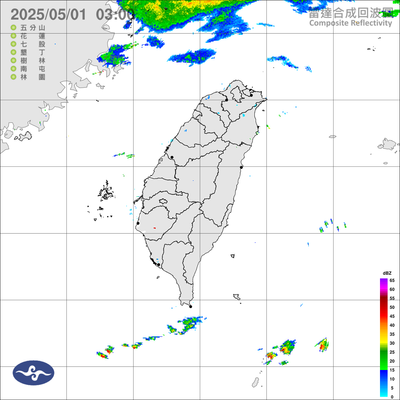
衛星雲圖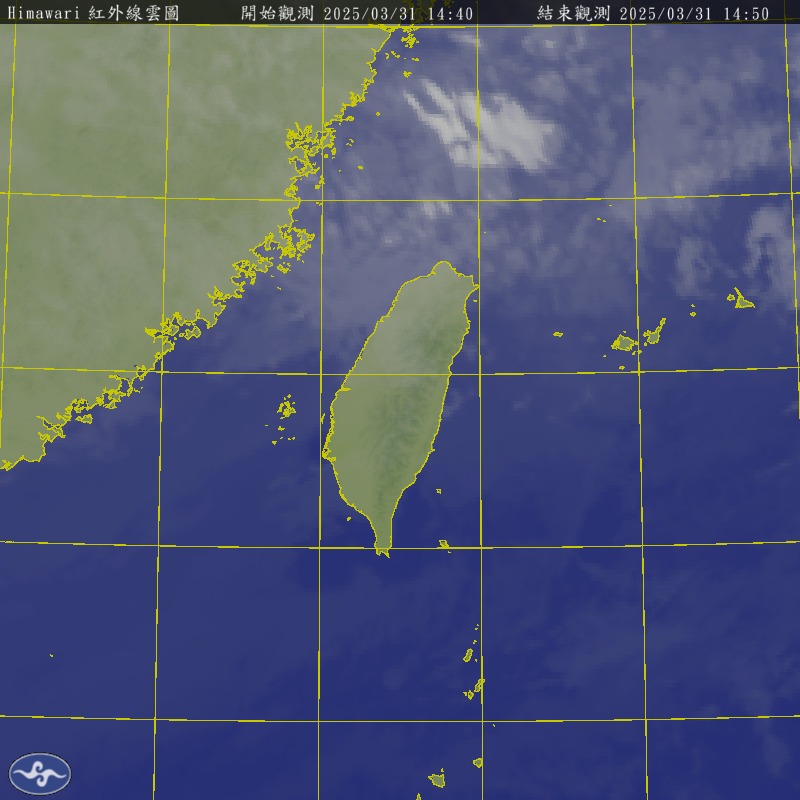
溫度分布圖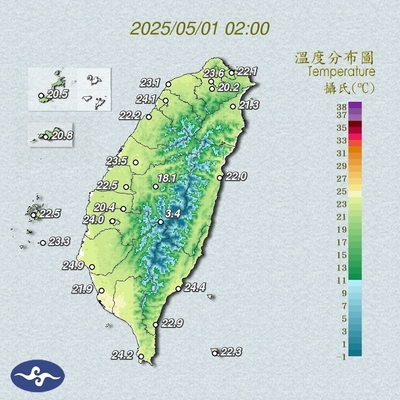
教會MIDI卡拉OK新增教會MIDI卡拉OK流量最多的歌信望愛大辭典:熱門條目教會MIDI卡拉OK新修改信望愛大辭典:隨機條目 |

 中英聖經朗讀◎黃哲輝牧師◎2026/01/03修訂


