
|
1:1 以法蓮山地的拉瑪瑣非有一個以法蓮人,名叫以利加拿,是蘇弗的玄孫,託戶的曾孫,以利戶的孫子,耶羅罕的兒子。 There was a certain man from Ramathaim, a Zuphite 1:1 Or ((from Ramathaim Zuphim)) from the hill country of Ephraim, whose name was Elkanah son of Jeroham, the son of Elihu, the son of Tohu, the son of Zuph, an Ephraimite.
1:2 他有兩個妻:一名哈拿,一名毗尼拿。毗尼拿有兒女,哈拿沒有兒女。 He had two wives; one was called Hannah and the other Peninnah. Peninnah had children, but Hannah had none. 1:3 這人每年從本城上到示羅,敬拜祭祀萬軍之耶和華;在那裏有以利的兩個兒子何弗尼、非尼哈當耶和華的祭司。 Year after year this man went up from his town to worship and sacrifice to the LORD Almighty at Shiloh, where Hophni and Phinehas, the two sons of Eli, were priests of the LORD. 1:4 以利加拿每逢獻祭的日子,將祭肉分給他的妻毗尼拿和毗尼拿所生的兒女; Whenever the day came for Elkanah to sacrifice, he would give portions of the meat to his wife Peninnah and to all her sons and daughters. 1:5 給哈拿的卻是雙分,因為他愛哈拿。無奈耶和華不使哈拿生育。 But to Hannah he gave a double portion because he loved her, and the LORD had closed her womb. 1:6 毗尼拿見耶和華不使哈拿生育,就作她的對頭,大大激動她,要使她生氣。 And because the LORD had closed her womb, her rival kept provoking her in order to irritate her. 1:7 每年上到耶和華殿的時候,以利加拿都以雙分給哈拿;毗尼拿仍是激動她,以致她哭泣不吃飯。 This went on year after year. Whenever Hannah went up to the house of the LORD, her rival provoked her till she wept and would not eat. 1:8 她丈夫以利加拿對她說:「哈拿啊,你為何哭泣,不吃飯,心裏愁悶呢?有我不比十個兒子還好嗎?」 Elkanah her husband would say to her, <<Hannah, why are you weeping? Why don't you eat? Why are you downhearted? Don't I mean more to you than ten sons?>> 1:9 他們在示羅吃喝完了,哈拿就站起來。祭司以利在耶和華殿的門框旁邊,坐在自己的位上。 Once when they had finished eating and drinking in Shiloh, Hannah stood up. Now Eli the priest was sitting on a chair by the doorpost of the LORD's temple. 1:9 That is, tabernacle 1:10 哈拿心裏愁苦,就痛痛哭泣,祈禱耶和華, In bitterness of soul Hannah wept much and prayed to the LORD. 1:11 許願說:「萬軍之耶和華啊,你若垂顧婢女的苦情,眷念不忘婢女,賜我一個兒子,我必使他終身歸與耶和華,不用剃頭刀剃他的頭。」 And she made a vow, saying, <<O LORD Almighty, if you will only look upon your servant's misery and remember me, and not forget your servant but give her a son, then I will give him to the LORD for all the days of his life, and no razor will ever be used on his head.>> 1:12 哈拿在耶和華面前不住地祈禱,以利定睛看她的嘴。 As she kept on praying to the LORD, Eli observed her mouth. 1:13 (原來哈拿心中默禱,只動嘴唇,不出聲音,因此以利以為她喝醉了。) Hannah was praying in her heart, and her lips were moving but her voice was not heard. Eli thought she was drunk 1:14 以利對她說:「你要醉到幾時呢?你不應該喝酒。」 and said to her, <<How long will you keep on getting drunk? Get rid of your wine.>> 1:15 哈拿回答說:「主啊,不是這樣。我是心裏愁苦的婦人,清酒濃酒都沒有喝,但在耶和華面前傾心吐意。 <<Not so, my lord,>> Hannah replied, <<I am a woman who is deeply troubled. I have not been drinking wine or beer; I was pouring out my soul to the LORD. 1:16 不要將婢女看作不正經的女子。我因被人激動,愁苦太多,所以祈求到如今。」 Do not take your servant for a wicked woman; I have been praying here out of my great anguish and grief.>> 1:17 以利說:「你可以平平安安地回去。願以色列的 神允准你向他所求的!」 Eli answered, <<Go in peace, and may the God of Israel grant you what you have asked of him.>> 1:18 哈拿說:「願婢女在你眼前蒙恩。」於是婦人走去吃飯,面上再不帶愁容了。 She said, <<May your servant find favor in your eyes.>> Then she went her way and ate something, and her face was no longer downcast. 1:19 次日清早,他們起來,在耶和華面前敬拜,就回拉瑪。到了家裏,以利加拿和妻哈拿同房,耶和華顧念哈拿, Early the next morning they arose and worshiped before the LORD and then went back to their home at Ramah. Elkanah lay with Hannah his wife, and the LORD remembered her. 1:20 哈拿就懷孕。日期滿足,生了一個兒子,給他起名叫撒母耳,說:「這是我從耶和華那裏求來的。」 So in the course of time Hannah conceived and gave birth to a son. She named him Samuel, 1:20 ((Samuel)) sounds like the Hebrew for ((heard of God.)) saying, <<Because I asked the LORD for him.>> 1:21 以利加拿和他全家都上示羅去,要向耶和華獻年祭,並還所許的願。 When the man Elkanah went up with all his family to offer the annual sacrifice to the LORD and to fulfill his vow, 1:22 哈拿卻沒有上去,對丈夫說:「等孩子斷了奶,我便帶他上去朝見耶和華,使他永遠住在那裏。」 Hannah did not go. She said to her husband, <<After the boy is weaned, I will take him and present him before the LORD, and he will live there always.>> 1:23 她丈夫以利加拿說:「就隨你的意行吧!可以等兒子斷了奶。但願耶和華應驗他的話。」於是婦人在家裏乳養兒子,直到斷了奶; <<Do what seems best to you,>> Elkanah her husband told her. <<Stay here until you have weaned him; only may the LORD make good his 1:23 Masoretic Text; Dead Sea Scrolls, Septuagint and Syriac ((your)) word.>> So the woman stayed at home and nursed her son until she had weaned him. 1:24 既斷了奶,就把孩子帶上示羅,到了耶和華的殿;又帶了三隻公牛,一伊法細麵,一皮袋酒。(那時,孩子還小。) After he was weaned, she took the boy with her, young as he was, along with a three-year-old bull, 1:24 Dead Sea Scrolls, Septuagint and Syriac; Masoretic Text ((with three bulls)) an ephah 1:24 That is, probably about 3/5 bushel (about 22 liters) of flour and a skin of wine, and brought him to the house of the LORD at Shiloh. 1:25 宰了一隻公牛,就領孩子到以利面前。 When they had slaughtered the bull, they brought the boy to Eli, 1:26 婦人說:「主啊,我敢在你面前起誓,從前在你這裏站著祈求耶和華的那婦人,就是我。 and she said to him, <<As surely as you live, my lord, I am the woman who stood here beside you praying to the LORD. 1:27 我祈求為要得這孩子;耶和華已將我所求的賜給我了。 I prayed for this child, and the LORD has granted me what I asked of him. 1:28 所以,我將這孩子歸與耶和華,使他終身歸與耶和華。」於是在那裏敬拜耶和華。 So now I give him to the LORD. For his whole life he will be given over to the LORD.>> And he worshiped the LORD there. 本模組中文化由長島基督福音教會的Jack起始。多次經本人修改,2025年11月由AI協助更改加入朗讀功能,2026年加入搜尋「中、英」字皆可,顯示「黃底紅字」歡迎大家使用!! 荒漠甘泉五合一■ 中文荒漠甘泉(10月28日)
十月廿八日 「然而神既有豐富的憐憫,因祂愛我們的大愛,當我們死在過犯中的時候,便叫我們與基督一同活過來……祂又叫我們與基督耶穌一同復活,一同坐在天上。」以弗所書二章4至6節 「與基督耶穌一同坐在天上」——安安靜靜地坐著——是我們的權利,是我們的本分。但是有幾個人真有這樣的經歷呢?有幾個人真想這是一件可能的事呢? 我們也許會想:恐怕在主日,或者靈程猛進的時候,偶然能有這樣的經歷;如果每天隨時都坐在天上,是不可能的事罷!但是我告訴你:主日能,週日也能,天天都能! 一個安靜的靈,對於外面的活動是非常有幫助的;反言之,沒有一件東西,比靈裡的焦急掛慮,更妨礙屬靈的能力和成功。 一位屬靈的信徒有一次告訴我們:「知道怎樣信靠、怎樣安靜,就是得到了一切。」這句話是非常有意思的。我們如果知道這個,我們工作的方法就會大大改變了。我們不會再不息地掙扎了;我們會安安靜靜地坐在主面前,讓聖靈去替我們完成我們所希望的。我們也許看不見、感不到,聖靈在替我們工作,但是我們應當相信:祂一直在很出力地替我們作啊!我們只要把我們靈安靜下來好了。 ─司密斯 有一個寧靜的處所, 在大旋風的中央, 風捲著它瘋狂旋轉, 這中心出奇地安詳, 如果有小孩在那裏酣睡, 連髮絲都不會飄揚。 我們應當在任何環境中學習享受神的平安。
■ 英文荒漠甘泉(10月28日)
October 28 "But God, who is rich in mercy, for his great love wherewith he loved us, even when we were dead in sins, hath quickened us together with Christ...and hath raised us up together, and made us sit together in heavenly places in Christ Jesus."(Eph.2:4-6) THIS is our rightful place, to be "seated in heavenly places in Christ Jesus," and to "sit still" there. But how few there are who make it their actual experience! How few, indeed think even that it is possible for them to "sit still" in these "heavenly places" in the every day life of a world so full of turmoil as this. We may believe perhaps that to pay a little visit to these heavenly places on Sundays, or now and then in times of spiritual exaltation, may be within the range of possibility; but to be actually "seated" there every day and all day long is altogether another matter; and yet it is very plain that it is for Sundays and week-days as well. A quiet spirit is of inestimable value in carrying on outward activities; and nothing so hinders the working of the hidden spiritual forces, upon which, after all, our success in everything really depends, as a spirit of unrest and anxiety. There is immense power in stillness. A great saint once said, "All things come to him who knows how to trust and be silent." the words are pregnant with meaning. A knowledge of this fact would immensely change our ways of working. Instead of restless struggles, we would "sit down" inwardly before the Lord, and would let the Diving forces of His Spirit work out in silence the ends to which we aspire. You may not see or feel the operations of this silent force, but be assured it is always working mightily, and will work for you, if you only get your spirit still enough to be carried along by the currents of its power. -Hannah Whitall Smith. "There is a point of rest At the great center of the cyclone's force, A silence at its secret sourse; A little child might slumber undisturbed, Without the ruffle of one fair curl, In that strange, central calm, amid the mighty whirl." It is your business to learn to be peaceful and safe in God in every situation.
■ 永活之泉(10月28日)
十月廿八日 真理的試金石 「我要給你一個不變的試金石以試驗所有的真理,那就是從一切世上的事退縮,停止一切談話,並心思所發生的工作和一切內心所產生的力量,去從事禱告;無論是坐、站或行,都屢次屈膝禱告:「因祂極大的良善,使你知道祂能除去你內心各種驕傲、敗壞的靈和敗壞的本性,使你深知那最深的真理,就是你可因祂的亮光和靈讓你謙卑。」 要因每個思想而喜樂,同時將一切事從內心深處向神求告,藉著真理和熱忱,人們把痛苦向神陳述。痛苦的環境和感覺使神的光得以在你裏面燃燒,做感動的工作;這種光和熱能使你有禱告的靈。起初只是感到痛苦、憤怒、和黑暗,使你裏面有一股熱量,然後你要求忍耐、自責、承認、謙卑,即使是痛苦也以謙卑為念。 人類的禱告接觸了神聖的愛,並為神的慈憐所環繞;禱告也是包含讚美和感謝,只要內心以神為樂,就不會受世俗引誘及影響,而禱告是有此改變的因素。現在即使沒有太多禱告的樣子,但也因與神合一而離祂相當地近。禱告不在乎外表的樣子、時間、地點和字句,而是以完全的信心、清潔的愛心,完全順服並樂於這樣做,這是禱告的靈最深的境界,也是與神合一最高的生命。」 禱告不僅是向神的祈求,而是在神的啟示下與祂相交;開始是謙卑的屈膝,不在乎祈求什麼,而在神的愛裏與祂相交,然後活出完全順服的樣式。這是何等可喜的!
■ 中文屬天日子(10月28日)
十月廿八日 因信稱義 「因為我們作仇敵的時候,且藉著神兒子的死,得與神和好,……就更因祂的生得救了。」羅馬書五章10節 我不是因信得救;而是因信感覺得了救,救我的不是悔改,悔改是種標記,表示我覺得神藉著基督耶穌所作的。危險的所在是反果為因──把我的服從和我的成聖歸主。叫我與神和好的是我的服從和我的成聖歸主嗎?絕不是的啊!我與神和好以先,還有基督為我們死的一步。當我歸向神,因著信接受我所能接受的神啟示,耶穌基督所付的贖價,立刻使我與神發生正當的關係,藉著神恩典的超然神蹟,我就稱義了,絕不是因為我感覺罪的譴責,也不是因為我的悔改,卻因為耶穌之所作所為。神的靈忽然將這贖價呈露出來,我就知道我得了救,不過不知其所以然罷了。 神的救恩,不是以人的邏輯為根據,卻是以耶穌犧牲的死為根據。我們能重生,是因為我們主的贖價。罪人能變成新人,不是因為他們悔改,或因為他們相信,卻因為神藉著基督耶穌的奇妙工作,這是在一切經驗以先的事,不是經驗的事。稱義和成聖的堅固保障是神本身。這些事不是我們自己作出來的;是因贖價作出來的。超然因神的奇蹟變成自然;認定這些事都是耶穌基督作成的──「成了」。
■ 中文上海嗎哪(10月28日)
十月廿八日 「……好!良善的僕人,你既在最小的事上有忠心,可以有權柄管十座城。」路加福音十九章17節 對神而言,真正算數的不是我們所謂的成功事奉,乃是我們的忠心態度。因迦勒及約書亞的忠誠,所以在他們去窺探耶利哥城時,神紀念他們的忠誠。對他們而言,那是一樁既困難且不受歡迎的職責,對我們來說亦然;因為神呼召我們在生命的危機當中,要不怕孤單地站穩腳步。無論是在相信神能戰勝罪惡這方面,或是相信我們在耶穌裡擁有產業的這方面,我們都要像迦勒及約書亞一樣接受考驗。 很多基督徒會承認耶穌基督有愛心,能賜給人新的生命,但同時難免會告訴別人,要單單完全靠主是不實際且不可能的事。我們當中有很多人,這些年來為了要見證基督的能力,使神的子民得到祂最豐富的祝福,不得不孤單地事奉神。正如約書亞和迦勒所經歷的,我們也一樣必須專心一意地跟隨神。這正是信心真正的勝利,以及證實我們忠誠的見證。 所以當我們因為見證神受到迫害,或是為神堅守原則而受責難時,我們不應該抱怨。相反的,讓我們感謝神,祂將因著我們忍受考驗而得著榮耀,更能在他人樂意跟隨主時,以我們為模範。
:::
會員登入線上使用者今日推薦台語聖經朗讀和合本 | Taiwanese Bible Reading Audio◎最新上傳進度◎🔥🙏📖牧師推薦好章最熱門聖經「章」朗讀最熱門單一「節」瀏覽數今日推薦台語聖經朗讀和合本 | Taiwanese Bible Reading Audio台語聖經朗讀和合本 | Taiwanese Bible Reading Audio提供免費台語聖經朗讀,包含國語與台語對照。 📖 創世記 1-50 / 50 📖 詩篇 1-23 / 150 📖 馬太福音 1-28 / 28 📖 加拉太書 1-6 / 6 📖 以弗所書 1-6 / 6 📖 腓立比書 1-4 / 4 📖 帖撒羅尼迦前書 1-5 / 5 📖 帖撒羅尼迦後書 1-3 / 3 📖 腓利門書 1-1 / 1 📖 雅各書 1-5 / 5 📖 猶大書 1-1 / 1
台語羅馬字典台語聖經朗讀和合本|Taiwanese Bible Reading Audio最新上傳計數器
隨機小語智慧是什麼?
有一隻老虎,看見曾打敗過自己的水牛,被人吆喝著耕地,便去問牛為什麼怕農夫,牛說:「因為人有智慧」。 老虎向農夫要求看看他的智慧。農夫說他把智慧放在家裡,可以去拿,但要先把老虎捆起來,免得他走了以後老虎把牛吃掉,老虎聽了覺得有道理,老虎聽從農夫的話。 農夫回村叫了村民來,把老虎裝鐵籠裡,農夫就對老虎說:「這就是智慧」。 雷達回波圖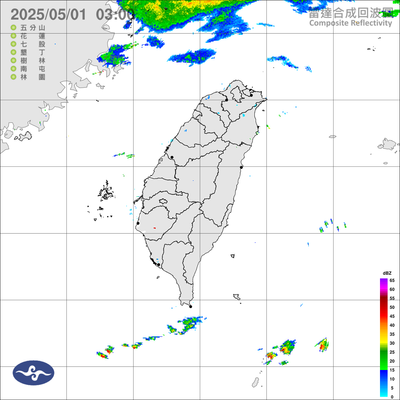
衛星雲圖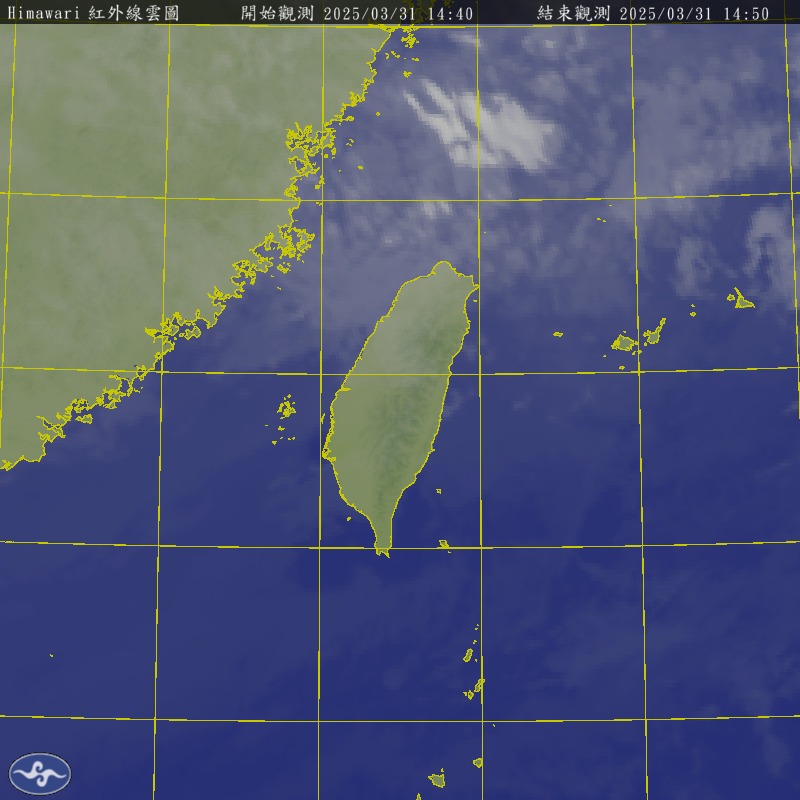
溫度分布圖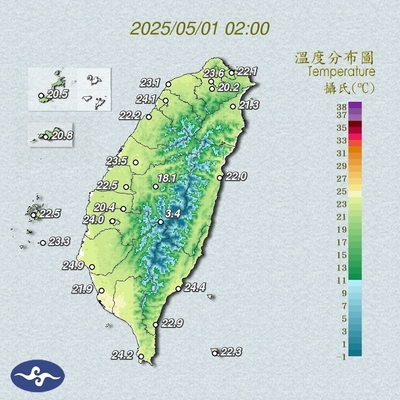
教會MIDI卡拉OK新增教會MIDI卡拉OK流量最多的歌信望愛大辭典:熱門條目教會MIDI卡拉OK新修改信望愛大辭典:隨機條目 |

 中英聖經朗讀◎黃哲輝牧師◎2026/01/03修訂


